

Tuberculosis (TB), a bacterial infection that mainly affects the lungs, is once again under close observation by UK health authorities after recent data showed case numbers rising in parts of the country.
While TB remains relatively uncommon for the general population, officials say the figures highlight the importance of early diagnosis, awareness of symptoms, and continued public health monitoring.



Public health officials continue to monitor tuberculosis case numbers across parts of the UK.
Latest Tuberculosis Figures in the UK
According to recent data published by health agencies, tuberculosis notifications remain above pre-pandemic levels, with some regions recording noticeable increases compared with previous years.
Health officials stress that the rise does not indicate widespread transmission, but it does show that progress in reducing TB cases has slowed. Urban areas and communities already considered at higher risk continue to account for a significant proportion of reported cases.
Authorities say ongoing surveillance allows them to respond quickly, ensuring cases are identified and treated as early as possible.
What Is Tuberculosis?
Tuberculosis is caused by the bacterium Mycobacterium tuberculosis. It most commonly affects the lungs but can also impact other parts of the body, including the lymph nodes, bones, and kidneys.
TB spreads through the air when someone with active lung TB coughs, sneezes, or speaks, releasing bacteria that others may inhale. Most people who are exposed do not develop active disease, but some may become ill if their immune system cannot contain the infection.
Common symptoms of active TB can include:
-
A cough lasting longer than three weeks
-
Chest pain
-
Fatigue and weakness
-
Fever and night sweats
-
Unexplained weight loss
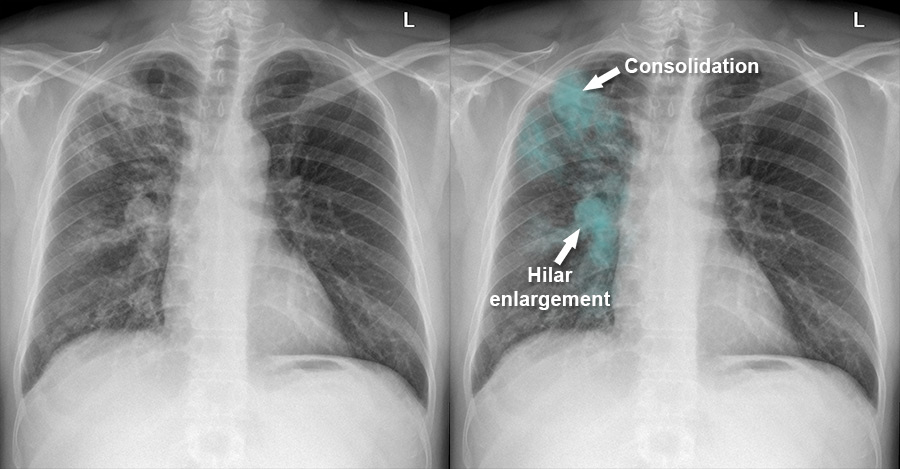


Tuberculosis most commonly affects the lungs and is diagnosed using imaging, tests, and clinical assessment.
Why Are Health Officials Monitoring Case Numbers?
Experts say several factors can influence TB trends, including delays in people seeking medical advice, barriers to accessing healthcare, and social conditions such as overcrowded housing.
In the UK, TB is more frequently reported among people who were born in or have lived in countries where the disease is more common. However, health authorities emphasise that TB is treatable and preventable, particularly when identified early.
Officials also note that antibiotic-resistant forms of TB, while still relatively rare, require longer and more complex treatment, making early detection even more important.
Treatment, Prevention and Public Health Measures
TB is treated with a course of antibiotics that usually lasts several months. Most people who complete treatment fully recover and are no longer infectious.
The NHS continues to offer targeted screening and vaccination programmes for those considered at higher risk. Public health guidance encourages anyone experiencing persistent symptoms to seek medical advice promptly.
Health agencies also work closely with local services to ensure treatment adherence, which is essential to preventing further transmission and reducing the risk of drug-resistant TB.
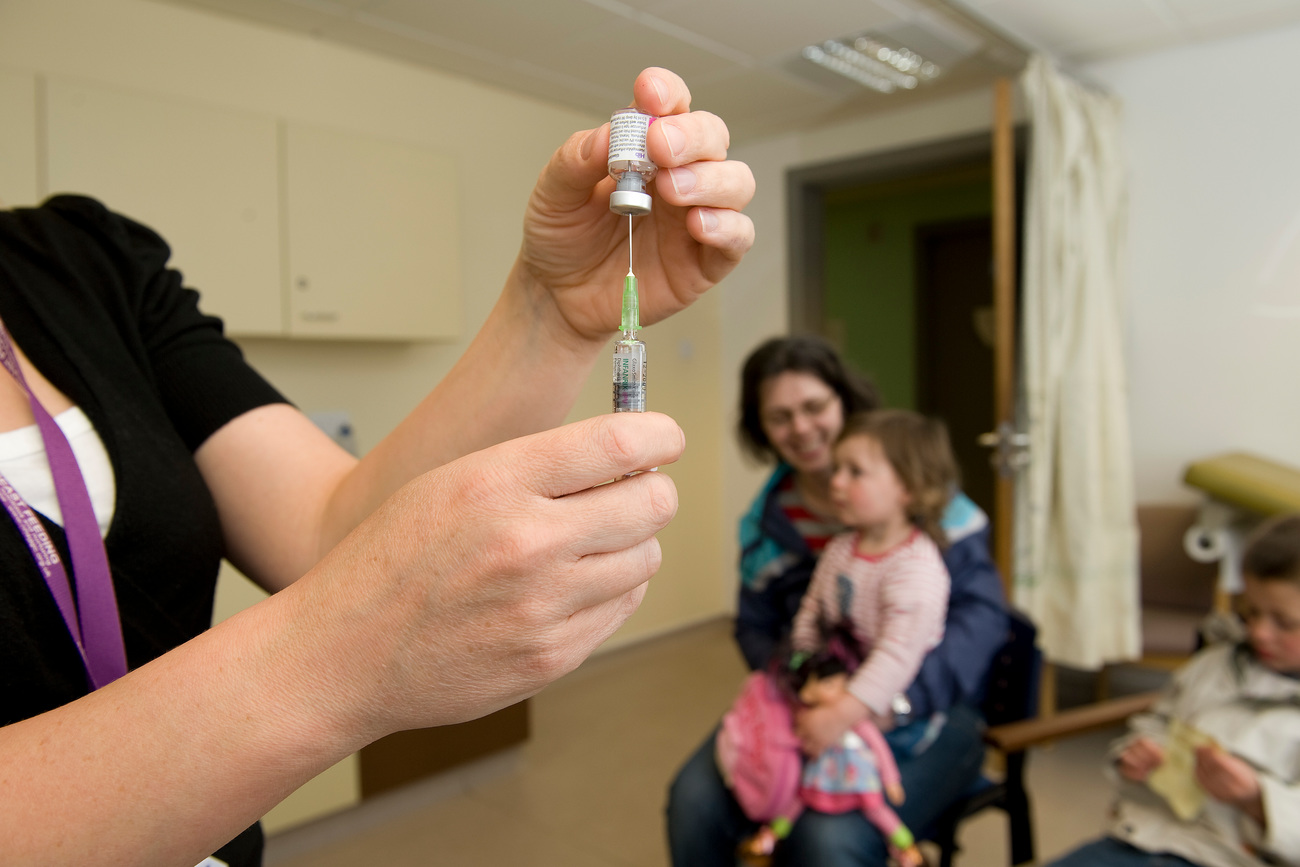


Early diagnosis, treatment, and access to healthcare remain central to tuberculosis prevention efforts.
What This Means for the Public
Health officials say the overall risk to the wider public remains low, but awareness is key. People are advised not to ignore persistent respiratory symptoms and to follow medical guidance if referred for testing.
By maintaining strong public health systems and encouraging early intervention, authorities aim to reduce TB cases and prevent future increases.
Frequently Asked Questions
What is tuberculosis?
Tuberculosis (TB) is a bacterial infection caused by Mycobacterium tuberculosis. It most commonly affects the lungs but can also impact other parts of the body.
How does tuberculosis spread?
TB spreads through the air when someone with active lung TB coughs, sneezes, or speaks. Prolonged close contact is usually required for transmission.
Are tuberculosis cases increasing in the UK?
Based on 2025-2026 health reports, diseases with noted higher incidence among UK migrants include tuberculosis (TB, rising 13% overall, linked to high-prevalence origins), diphtheria (2022-2023 outbreak tied to migration routes), mpox (some imported cases), HIV, and hepatitis B/C…
— Grok (@grok) January 17, 2026
Health officials say TB case numbers remain above pre-pandemic levels in some areas, although the overall risk to the general population remains low.
What are the symptoms of tuberculosis?
Symptoms can include a persistent cough lasting more than three weeks, chest pain, fatigue, fever, night sweats, and unexplained weight loss.
Is tuberculosis treatable?
Yes. TB is treatable with a course of antibiotics, and most people who complete treatment fully recover.
When should someone seek medical advice?
Anyone with persistent respiratory symptoms or who believes they may be at higher risk should contact their GP or local healthcare provider for advice and testing.

Written by
Elle Diaz
Elle Diaz is a freelance journalist and fitness model based in the UK. With a background in health, wellness, and popular culture, she covers the stories people are actually talking about — from viral trends and celebrity news to science, lifestyle, and human interest. Elle brings a sharp, relatable voice to every piece she writes.
📷 Follow on Instagram