
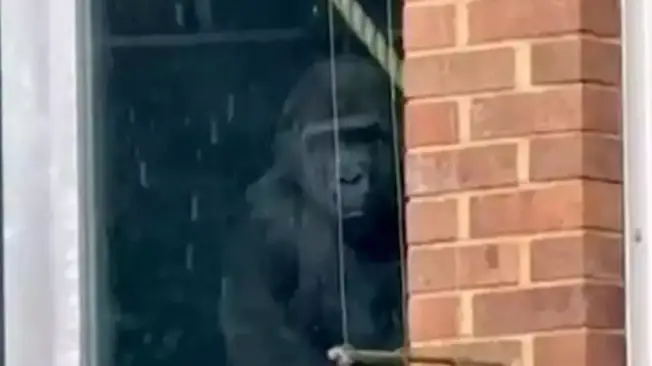
Bristol Zoo's oldest silverback gorilla Jock, 45, dies days after move into new home following criticism https://t.co/OyEsd2urcI
— Daily Mail (@DailyMail) February 26, 2026

Staff at Bristol Zoo have been subjected to a torrent of abuse, including explicit death threats, following the viral spread of a video purportedly showing a gorilla being mistreated within the institution. The footage, which circulated widely across social media platforms, triggered an intense online backlash that saw animal welfare activists, self-appointed vigilantes, and members of the public directing a barrage of hostility at zoo workers — many of whom had no connection to the events shown in the clip and whose professional lives have now been significantly disrupted by the fallout.
The Video That Went Viral
The footage in question was shared across multiple platforms, accumulating millions of views before platforms began applying content warnings. The clip showed interactions between zoo staff and one of the facility’s resident gorillas in circumstances that some viewers interpreted as evidence of mistreatment. As the video spread, so did outrage — amplified by the commenting and sharing mechanics of social media that tend to reward strong emotional reactions and punish nuance. Within hours, Bristol Zoo had become the focal point of a coordinated wave of online anger.
What the Death Threats Looked Like
According to zoo management, the threats received by staff ranged from aggressive messages demanding resignations to explicit and detailed descriptions of violence. Several employees reported finding their personal information posted online — a tactic known as doxing — making them identifiable to anyone who wished to act on the threats made. Zoo workers described receiving abusive messages on work email accounts, personal social media profiles, and through direct contact channels. A number of staff members were advised to take temporary absence while the situation was assessed for risk.
Bristol Zoo Responds to the Backlash
Bristol Zoo issued a detailed public statement strongly contesting the interpretation of events shown in the viral footage. Management explained the context of the specific interaction, outlined the zoo’s animal welfare standards, and emphasised that all interactions between keepers and animals follow protocols developed in line with best practice guidelines. The statement also appealed to the public to refrain from directing abuse at staff and confirmed that the matter had been referred to police given the severity of some of the threats received. Animal welfare charity partners have supported the zoo’s account of events.
The Science Behind Gorilla Welfare in Captivity
Gorillas are among the most cognitively complex and emotionally sensitive of all great apes, and their management in captivity requires a nuanced approach that balances behavioural enrichment, social grouping, and health monitoring. Modern zoo practices have evolved significantly over the past three decades, moving away from traditional display-focused approaches towards environments designed to meet animals’ psychological as well as physical needs. Bristol Zoo, which has long maintained a reputation for high welfare standards, points to its accreditation and inspection records as evidence of its commitment to gorilla wellbeing.

The Anatomy of a Social Media Pile-On
The Bristol Zoo incident fits a pattern that researchers studying online behaviour have documented extensively: a piece of decontextualised footage, shared without nuance or background information, becomes the catalyst for coordinated harassment of identifiable individuals or organisations. The speed with which outrage spreads on platforms like X, TikTok, and Instagram means that corrections and context rarely reach the same audience as the original viral content. By the time clarifications emerge, the emotional momentum of the pile-on has often already done its damage.
Consequences for Zoo Workers
The human cost of the backlash has been considerable. Several keepers who have dedicated their careers to animal conservation reported feeling unsafe at work and in their personal lives. One staff member described the experience as “devastating,” noting the paradox of having devoted years to promoting animal welfare only to find themselves the targets of people claiming to act in animals’ interests. The psychological impact of sustained online abuse — particularly when accompanied by real-world threats — is well documented and often long-lasting.
Police Involvement and Legal Options
Avon and Somerset Police confirmed they were reviewing material submitted by Bristol Zoo relating to the threats made against staff. Officers noted that sending threatening communications via electronic means is a criminal offence under UK law, and that the force would be pursuing enquiries in appropriate cases. Legal experts have noted that while prosecutions for online threats remain relatively infrequent compared to the scale of abuse that takes place, high-profile cases have occasionally resulted in custodial sentences — particularly where threats were explicit and credible.
Animal Welfare Experts Weigh In
Zoologists and animal behaviour specialists contacted in the wake of the controversy have urged the public to apply critical thinking before sharing footage of purported mistreatment. Experts note that many interactions between trained keepers and captive animals that may appear alarming to lay observers are in fact routine, regulated, and in the animal’s best interest — from health checks to behavioural conditioning. The absence of context in short-form video content is a persistent problem that tends to generate misunderstanding even among well-intentioned viewers.
Broader Questions for the Zoo Sector
The Bristol Zoo incident has prompted a wider conversation among zoo professionals about how institutions can protect their staff in an era of viral social media. Industry bodies have been discussing whether coordinated communication strategies, clearer public engagement policies, and better relationships with content moderation teams at major platforms could help prevent similar situations. There is also a growing recognition that staff welfare protocols need to specifically address the risk of online abuse — a threat that simply did not exist at the scale now seen when many current zoo workers began their careers.
The animals in Bristol Zoo’s care remain unaffected by the controversy, continuing to be looked after by professionals whose commitment to their welfare has not wavered despite the ordeal of recent weeks. For the workers at the centre of the storm, the experience has underscored a bitter irony: in a world where passion for animal welfare is increasingly expressed online, the people who dedicate their lives to that cause in practice are sometimes the first to suffer when that passion turns to rage without reason.

Written by
Elle Diaz
Elle Diaz is a freelance journalist and fitness model based in the UK. With a background in health, wellness, and popular culture, she covers the stories people are actually talking about — from viral trends and celebrity news to science, lifestyle, and human interest. Elle brings a sharp, relatable voice to every piece she writes.
📷 Follow on Instagram