Project management is the discipline of planning, organizing, and overseeing resources to achieve specific goals within a set timeframe. Effective project management ensures that tasks are completed on schedule, within budget, and to the desired quality standards. It involves coordinating teams, managing risks, and balancing competing priorities. In today’s fast-paced business environment, projects often determine …
At the heart of strategic business management lies the planning, organization, and management of a company’s resources and processes, aligning these with the company’s long-term goals. It goes beyond managing day-to-day operations and focuses on maximizing operational efficiency, profitability, and sustainability. Companies that adopt a strategic approach carefully analyze their processes, identify areas for improvement, …
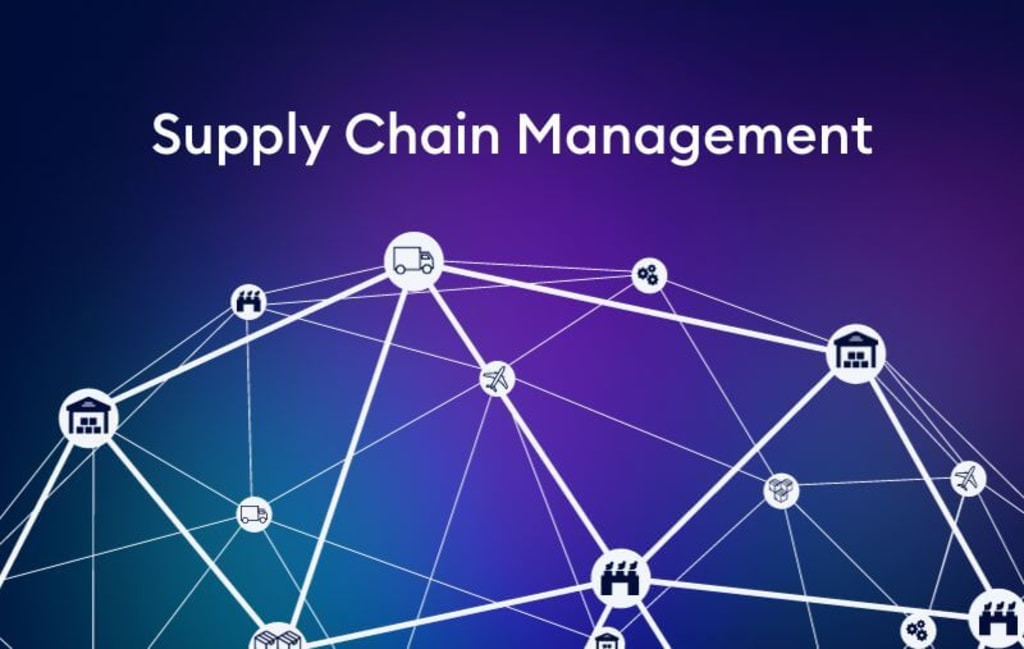
The core of an efficient supply chain lies in managing and optimizing the flow of goods, information, and raw materials from suppliers to customers, thereby reducing costs and increasing value. A well-functioning supply chain ensures timely product delivery, efficient use of resources, and the consistent meeting of customer expectations. The efficiency of a supply chain …
The core of effective team management lies in leading, organizing, and coordinating team members to achieve business goals most efficiently. It’s not just about assigning tasks, but more importantly, unleashing the potential of each team member, encouraging teamwork, and creating a work environment where employees are happy and highly productive. Strong team management ensures efficient …
Quality management refers to the planned assurance that products, services, and processes meet consistent standards and customer needs. It is a vital component of achieving operational excellence, as it directly impacts customer satisfaction, brand reputation, and the company’s operational efficiency. Quality management is more than just inspecting the final product; it encompasses the planning, control, …
Business Process Improvement (BPI) refers to assessing and improving existing business processes to make them more efficient, effective, and of higher quality. Businesses today are under immense pressure to reduce costs, improve customer satisfaction, and adapt quickly to new markets. By focusing on streamlining processes, companies can eliminate unnecessary steps, reduce errors, and increase operational …
Operational risk management is the process of identifying, assessing, and mitigating risks that arise in an organization’s daily operations. Operational risk differs from financial or market risk because it is closely related to internal processes, systems, people, and external events that can disrupt daily business activities. Properly managing these risks ensures business continuity, protects assets, …