
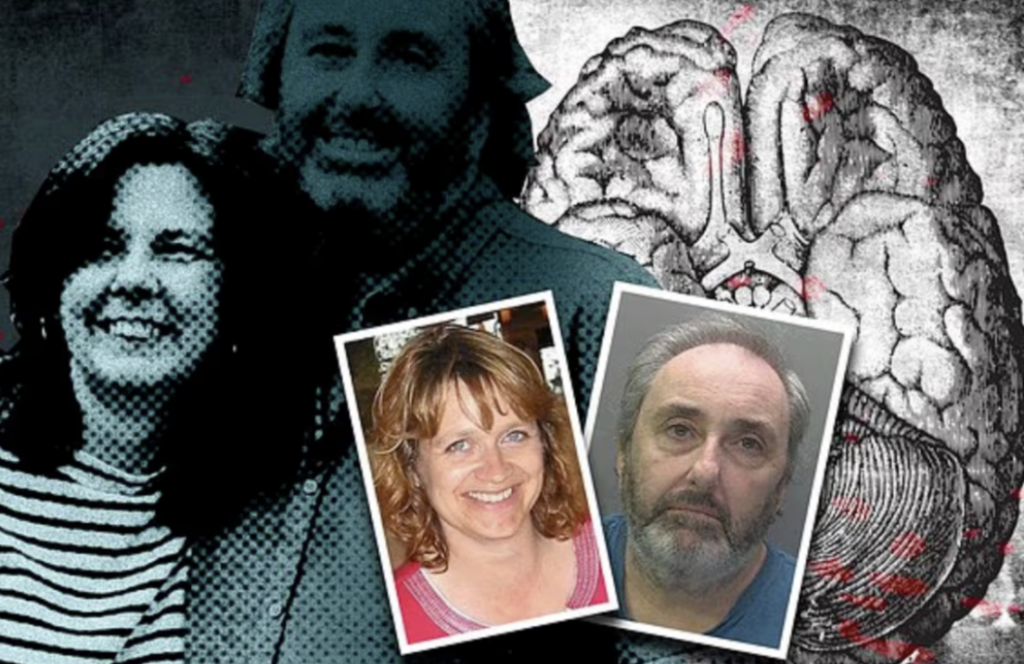
How A Donated Brain Helped Catch Killer Who Thought He Got Away With Murder Twice
It sounds like something out of a crime drama.
A killer believes he’s got away with murder — not once, but twice.
No evidence. No suspicion. No case.
But years later, a single detail changed everything.
And it all came down to something no one expected — a donated brain.
The Man Who Thought He’d Escaped Justice
Ian Stewart appeared to live a normal life.
To those around him, he was quiet, unremarkable — even ordinary.
But behind that image was something much darker.
In 2017, he was convicted of murdering children’s author Helen Bailey after drugging and suffocating her in their home.
He then hid her body in a concealed septic tank to try and cover his tracks.
The motive?
Money.
Bailey had a multi-million-pound estate, and prosecutors said Stewart wanted full access to it.
At that point, it looked like his crimes had finally caught up with him.
But investigators soon began to question something else.
The Suspicious Death Years Earlier
Years before Bailey’s murder, Stewart’s first wife, Diane Stewart, had died suddenly in 2010.
Her death was initially ruled as sudden unexplained death in epilepsy (SUDEP).
According to Stewart, he had found her collapsed outside their home.
At the time, there was no clear reason to doubt him.
No obvious injuries.
No signs of struggle.
And crucially — her body had been cremated.
Which meant most physical evidence was gone.
For years, it looked like the truth would never come out.
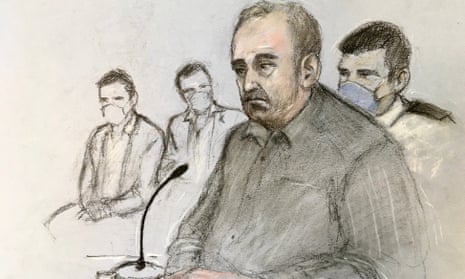
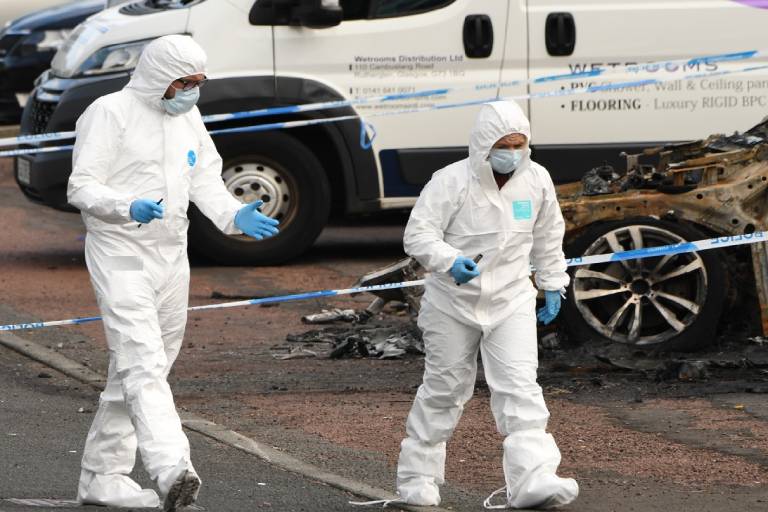

Photo credit: PA / Court artist / Getty Images (representative)
The Crucial Detail He Didn’t Think About
There was one thing Stewart hadn’t accounted for.
Before her death, Diane had chosen to donate her brain to medical research.
That decision would later become the key to solving the case.
Although her body had been cremated, the brain tissue had been preserved.
Years later, after Stewart’s conviction for Bailey’s murder, investigators revisited Diane’s death.
Experts were asked to re-examine the preserved brain tissue.
What they found changed everything.
The Evidence That Changed The Case
Medical specialists discovered signs that Diane’s breathing had been restricted for a prolonged period before her death.
This directly contradicted Stewart’s explanation.
It also cast serious doubt on the original ruling of an epileptic death.
In fact, experts said the likelihood of her dying from a seizure was extremely low.
The findings pointed to something far more sinister.
Suffocation.
And suddenly, what had once looked like a tragic natural death became a potential murder.
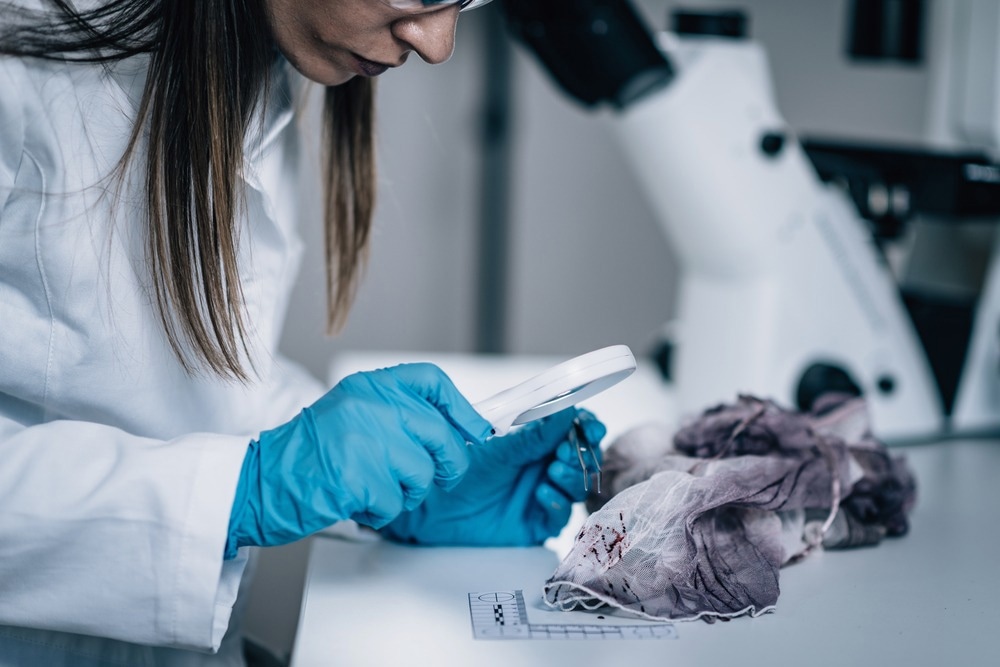

Photo credit: Medical / laboratory imagery (representative)
The Investigation Reopens
Following the new evidence, police reopened the case.
They began piecing together Stewart’s behaviour at the time of Diane’s death.
And what they found raised even more questions.
Witnesses described him as:
• Calm and detached after her death
• Unusually unemotional at her funeral
• Quick to move on with his life
Prosecutors also highlighted inconsistencies in his story about what happened that day.
Piece by piece, the case began to build.
The Fatal Mistake That Led To His Downfall
For years, Stewart believed he had covered his tracks.
No body.
No evidence.
No investigation.
But the one thing he couldn’t control was Diane’s decision to donate her brain.
That preserved evidence became the critical mistake that exposed everything.
Without it, experts say the truth may never have been uncovered.
Convicted Of Murder — Twice
In 2022, Stewart was found guilty of Diane’s murder.
It confirmed what investigators had long suspected.
He hadn’t just killed once.
He had killed twice.
He was already serving life for Helen Bailey’s murder.
After the second conviction, he was given a whole-life sentence, meaning he will never be released.
Why This Case Shocked People
The case captured attention for several reasons.
First, the idea that someone could get away with murder for over a decade.
Second, the chilling pattern — targeting partners for financial gain.
And third, the unexpected role of medical science in solving the case.
It wasn’t DNA at a crime scene.
It wasn’t a witness.
It was a medical donation that ultimately revealed the truth.
The Bigger Role Of Forensics In Solving Crimes
This case highlights how modern forensic science continues to evolve.
Even years after a death, new techniques and preserved evidence can:
• Challenge original conclusions
• Reveal previously hidden details
• Reopen cold cases
In this situation, it showed how a single decision — donating tissue — can have consequences far beyond what anyone imagined.
A Case That Almost Went Unnoticed
For over a decade, Diane’s death was accepted as natural.
No investigation.
No suspicion.
Just a tragic loss.
But once Stewart’s second crime came to light, everything changed.
It forced authorities to take another look.
And that’s when the truth finally surfaced.
Key Points Summary
• Ian Stewart was convicted of murdering both his wife and fiancée.
• His first wife’s death in 2010 was initially ruled as epilepsy-related.
• Her body was cremated, leaving little physical evidence.
• However, she had donated her brain to medical research.
• Re-examination of the brain showed signs of restricted breathing.
• This evidence contradicted Stewart’s account and led to a murder charge.
• He was later convicted and given a whole-life sentence.
• The case highlights the power of forensic science in solving crimes years later.