
Disturbing Digital Model Shows What Influencers Could Look Like in 2050 as Experts Issue Warning
By David Brooks • Tech, Health & Social Media
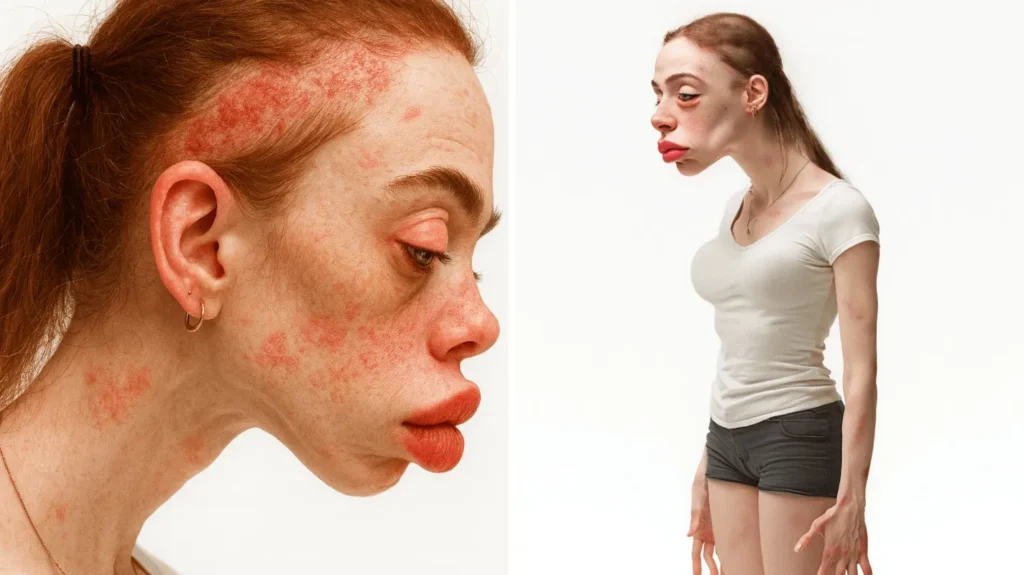
A striking digital model designed to show what the average social media influencer might look like in the year 2050 has sparked debate online — and prompted experts to warn about the long-term impact of the modern influencer lifestyle.
The simulation, nicknamed “Ava,” was created to illustrate how years of heavy screen use, cosmetic procedures and constant content creation could potentially affect the human body over time. The unsettling projection has quickly gone viral across social media platforms as viewers react to its dramatic portrayal of the future of online fame.
While the model is hypothetical, researchers say it highlights real health issues that could become more common if current social media habits continue unchecked.
The Influencer of the Future

The fictional character “Ava” represents a social media creator decades into the future who has spent years filming, editing and promoting content online.
In the visual concept, Ava appears with a number of noticeable physical traits that researchers say could develop from long-term digital habits. These include a hunched posture from prolonged smartphone use, irritated skin and dark circles caused by excessive screen exposure.
Her appearance also reflects issues linked to digital eye strain, cosmetic trends and irregular sleep schedules — all factors commonly associated with the influencer lifestyle.
The creators behind the model say the image is meant to be less about predicting the future and more about encouraging people to reflect on how technology affects everyday health.
The Effects of “Tech Neck”
One of the most striking features of the model is the severe curvature of the neck and shoulders.
Doctors often refer to this condition as “tech neck”, which can occur when people spend long periods looking down at smartphones or laptops.
Research published in medical journals has shown that when the head tilts forward by 15 to 60 degrees — a common posture when using phones — it significantly increases pressure on the cervical spine.
Over time, this position can lead to muscle strain, chronic neck pain and permanent posture changes.
Influencers, who often spend hours editing videos, responding to comments and managing social media platforms, may be particularly vulnerable to this type of strain.
The Hidden Impact of Screen Time

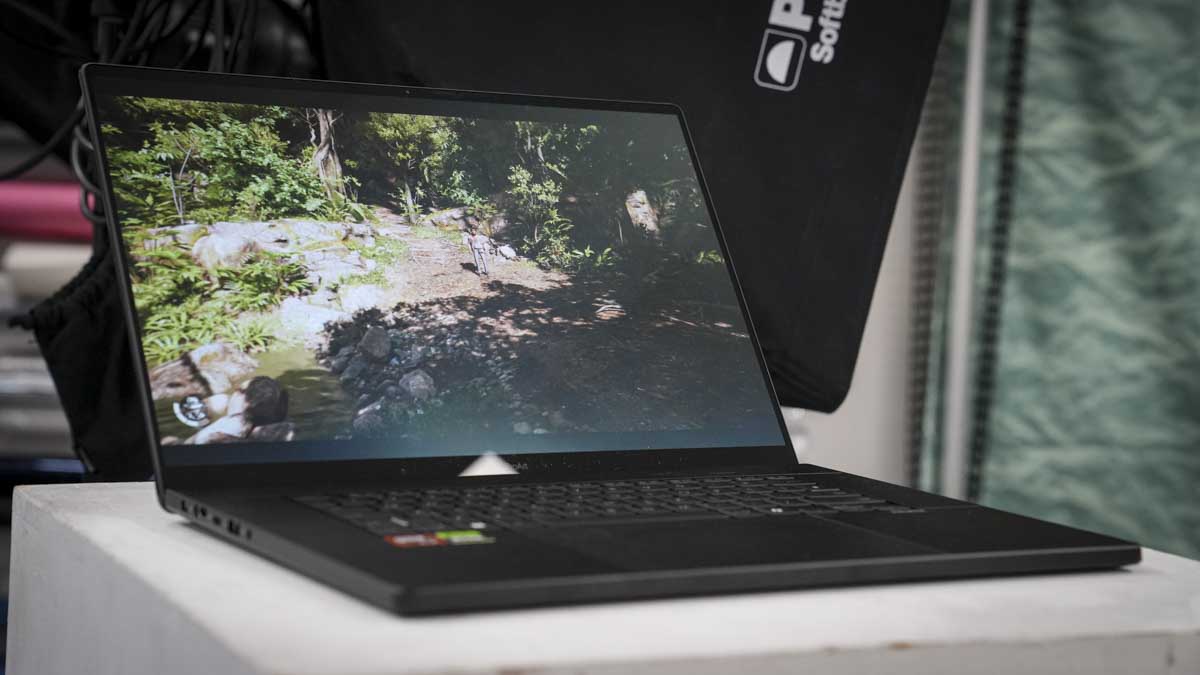

Beyond posture issues, experts say excessive screen exposure can affect the body in several other ways.
The model depicts tired, swollen eyes and dark circles — symptoms commonly associated with digital eye strain, a condition caused by extended time staring at screens.
Digital eye strain can lead to symptoms such as:
-
Dry or irritated eyes
-
Headaches
-
Blurred vision
-
Sensitivity to light
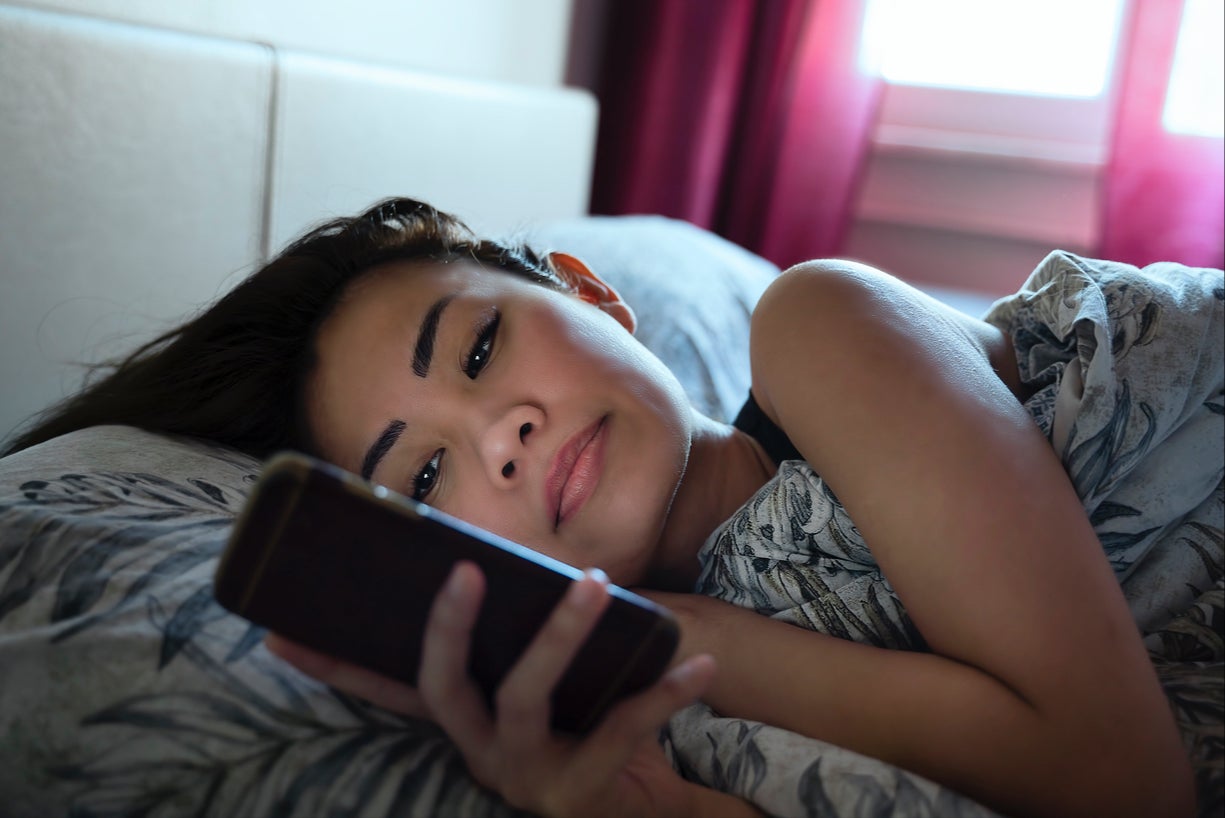
Influencers often work irregular hours, filming and editing late into the night in order to post content when audiences are most active.
This can disrupt sleep patterns and expose users to blue light from screens, which has been linked to sleep disturbances and fatigue.
Cosmetic Pressures and Beauty Trends
Another aspect highlighted by the model is the possible long-term impact of beauty trends often associated with social media culture.
Ava’s facial features show exaggerated filler use and skin irritation — meant to represent years of cosmetic treatments and constant makeup application.
Experts say the concept reflects a growing phenomenon sometimes referred to as “algorithm-driven beauty standards,” where creators feel pressure to maintain a certain appearance to remain competitive online.
Frequent cosmetic procedures, heavy styling and hair extensions may also lead to issues such as hair thinning or traction alopecia, a condition caused by prolonged tension on hair follicles.
While many of these practices are safe when managed properly, specialists say the model serves as a reminder that balance is key.
A Lifestyle That Never Switches Off
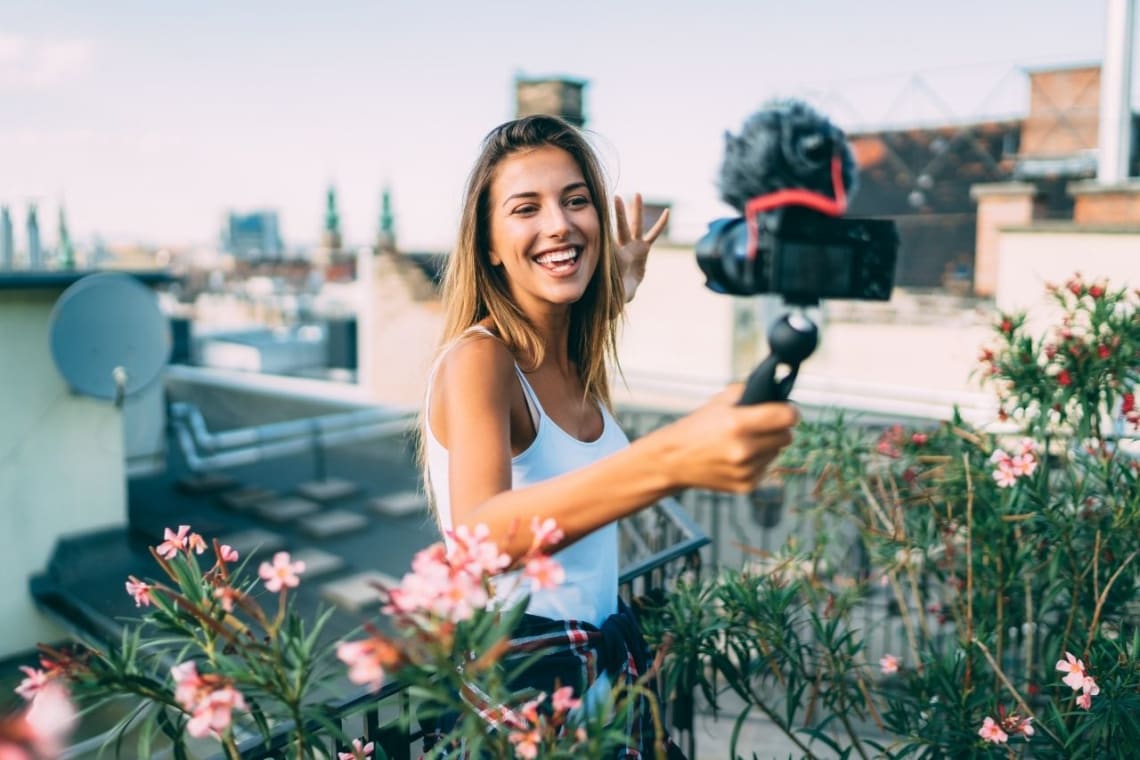

Behind the glamorous image often portrayed online, many influencers work extremely long hours.
Some reports suggest that content creators can spend up to 90 hours per week filming, editing and interacting with audiences across multiple platforms.
Unlike traditional jobs, social media work rarely has a clear finish time.
Creators may feel pressure to respond quickly to comments, keep up with trends and post frequently to stay visible in platform algorithms.
Experts say this constant cycle of engagement can contribute to fatigue, stress and burnout over time.
Why the Model Has Gone Viral
The concept image has sparked strong reactions online, with many viewers describing it as unsettling but thought-provoking.
Some social media users said the projection made them reconsider how much time they spend looking at their phones, while others viewed the model as an exaggerated but useful warning.
The creators behind Ava say the intention is not to criticise influencers but to highlight the importance of healthy digital habits.
Their message is simple: success online should not come at the expense of long-term wellbeing.
The Bigger Message Behind the Model


While Ava may be fictional, the issues behind the model are real.
Health experts recommend simple habits to reduce the impact of prolonged screen use, including:
-
Taking regular breaks from devices
-
Maintaining good posture when using phones or laptops
-
Limiting screen exposure before bedtime
-
Using proper lighting and eye protection when filming or editing
The viral model ultimately serves as a reminder that technology — while powerful and creative — should be balanced with physical and mental wellbeing.
Key Points at a Glance
-
A digital model named “Ava” shows what influencers might look like by 2050.
-
The concept highlights potential effects of long-term screen use and beauty trends.
-
Issues include tech neck, eye strain, skin irritation and sleep disruption.
-
Influencers can work extremely long hours managing content and online audiences.
-
Experts say the model is intended as a warning about maintaining healthy digital habits.