
Scientists Discover Rare ‘Half Male, Half Female’ Crab — And It’s Left People Seriously Confused
A bizarre discovery in India has completely stunned scientists — and the internet.
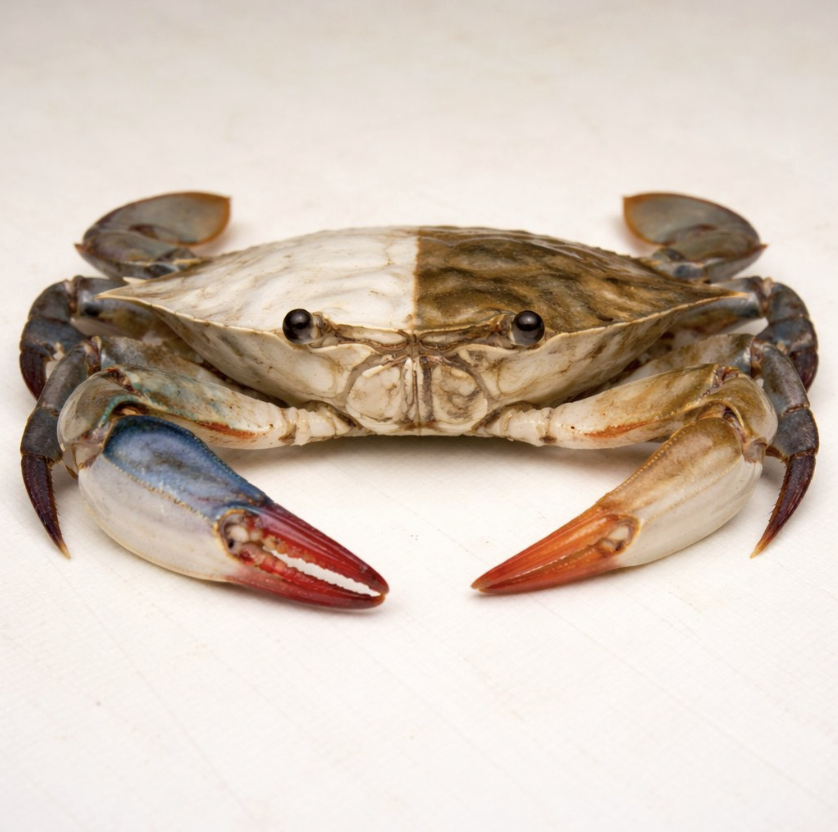
Researchers in Kerala have identified a rare crab that is literally half male and half female, split across its body.
At first glance, it looks unreal.
But according to experts, it’s very real — and extremely rare.
The Discovery That’s Going Viral
The unusual crab was found in Silent Valley National Park in Kerala, a region known for its rich biodiversity.
Scientists identified it as a species called Vela carli — a freshwater crab native to the Western Ghats.
But what made this one different wasn’t the species.
It was its body.
The crab showed both male and female characteristics at the same time — something rarely seen in nature.
What Makes This Crab So Unusual
This wasn’t just a minor difference.
The crab’s body displayed clear physical traits from both sexes.
That means:
• Male reproductive features
• Female reproductive features
• A visible split in characteristics
In some cases, these types of organisms can even appear divided down the middle — almost like two halves combined into one.
And yes, it looks as strange as it sounds.


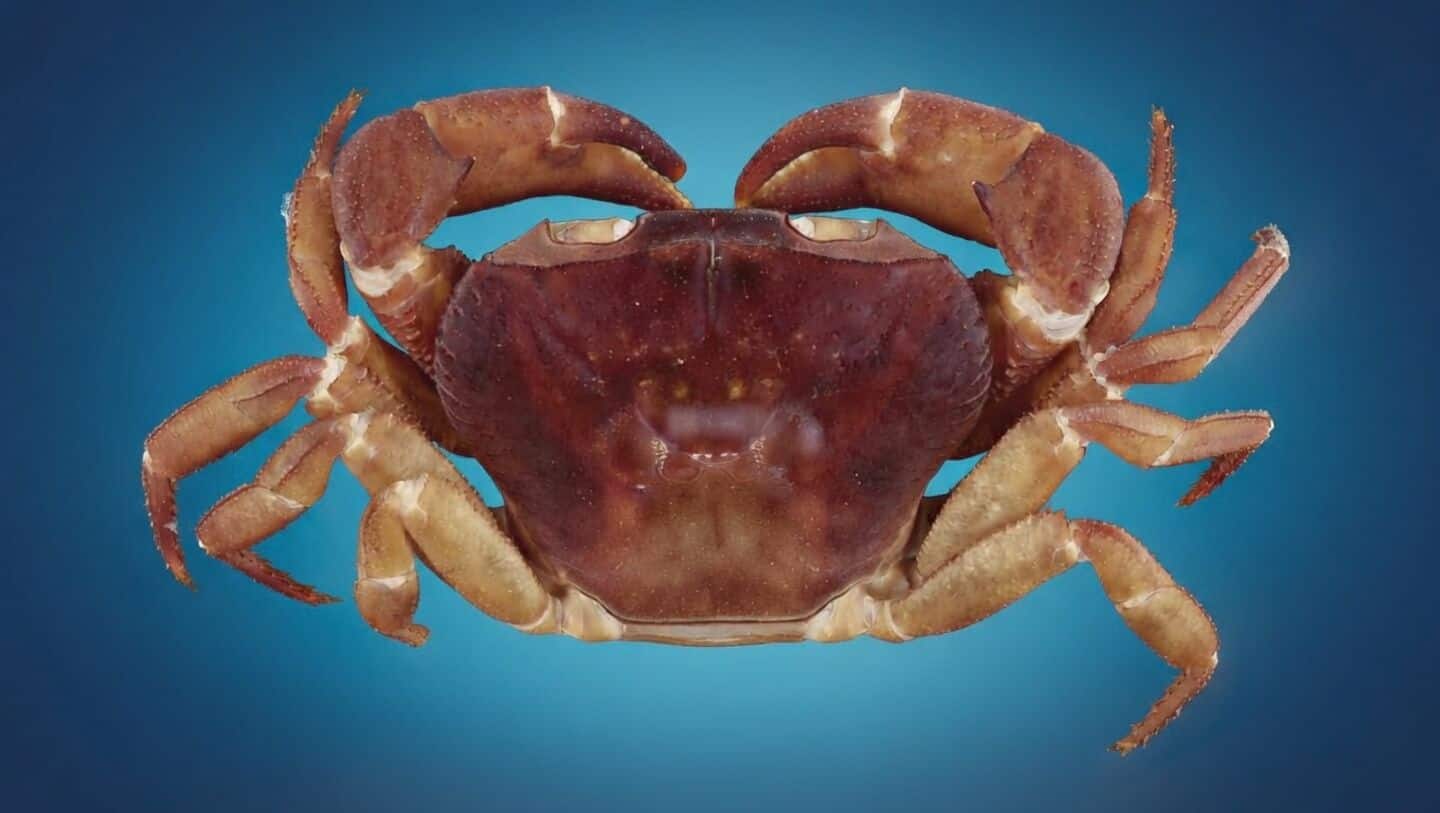
Photo credit: Researchers / social media (representative)
The Scientific Name For This Phenomenon
There’s actually a term for this.
It’s called gynandromorphism.
This is when an organism develops with both male and female traits due to differences in its genetic cells.
It’s been seen before in animals like:
• Butterflies
• Birds
• Insects
But in crabs?
It’s extremely rare.
In fact, this is believed to be the first recorded case in this specific crab family.
Why Scientists Are So Interested
This isn’t just a strange visual.
It’s scientifically important.
Discoveries like this help researchers understand:
• How sex develops in animals
• Genetic mutations
• Evolutionary biology
Because the crab essentially acts like a living case study.
It shows how complex biology can be — and how things don’t always follow “normal” rules.
Where It Was Found Matters Too
Silent Valley National Park isn’t just any location.
It’s one of India’s most important biodiversity hotspots, part of the Western Ghats.
The area is home to:
• Rare plant species
• Endangered animals
• Unique ecosystems
Scientists say discoveries like this highlight just how much we still don’t know about these environments.

Photo credit: Shutterstock
The Internet’s Reaction
As soon as the story hit social media, reactions flooded in.
Some people were fascinated.
Others were completely freaked out.
Common responses included:
• “Nature is insane”
• “This can’t be real”
• “How does this even happen?”
And of course, it quickly turned into viral content.
Because anything that looks this unusual is bound to grab attention.
Why It’s So Rare
Gynandromorphism doesn’t happen often.
It usually occurs due to a genetic error early in development, where cells divide differently and carry different sex chromosomes.
That’s why:
• It’s unpredictable
• It’s not something that can be replicated
• It’s rarely documented
And in many species, it goes unnoticed entirely.
What This Discovery Really Shows
Beyond the shock factor, this discovery reveals something bigger.
Nature doesn’t always follow simple rules.
Biology is far more complex than we often think.
And sometimes, rare anomalies like this give scientists new insights into how life actually works.
Key Points Summary
• Scientists discovered a rare Vela carli crab in Kerala.
• The crab displayed both male and female characteristics.
• This condition is known as gynandromorphism.
• It is extremely rare, especially in crabs.
• The discovery was made in Silent Valley National Park.
• Scientists say it could help better understand genetics and biology.
• The story has gone viral due to how unusual the crab looks.