
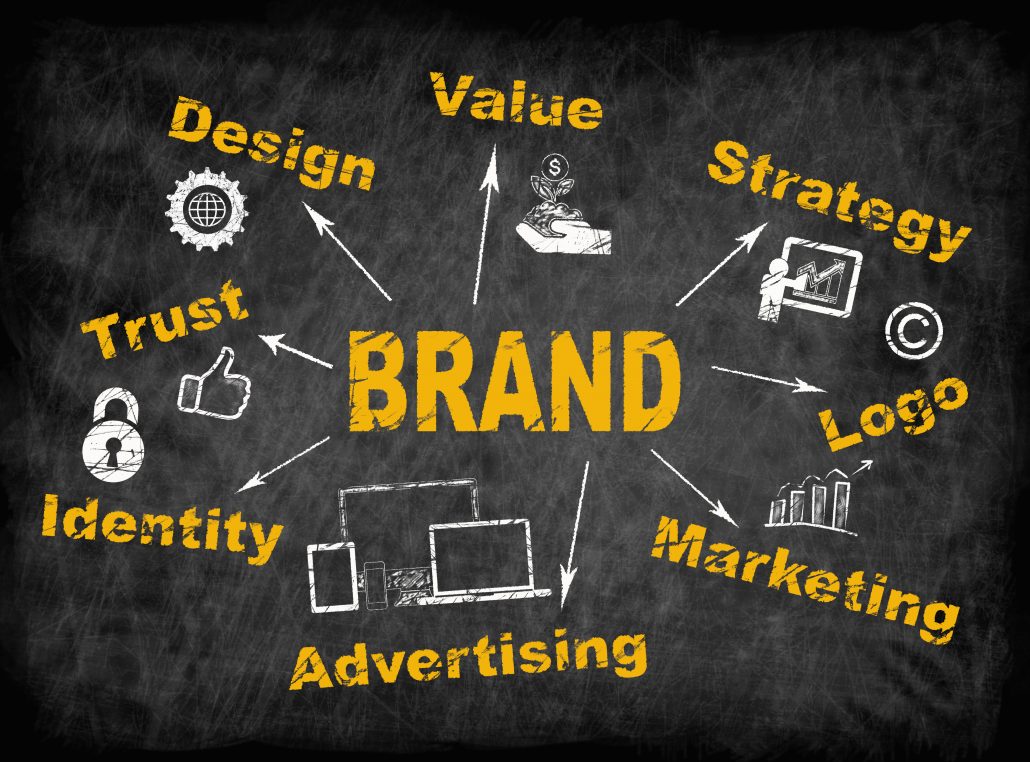
Brand development is a crucial part of business strategy because it influences a company’s perception and its competitive position. A successful brand is more than just a logo or a product; it represents a company’s values, reputation, and identity. Building a successful brand requires market research, a strategic plan, and its implementation. The goal is often to become a market leader by making the brand stand out, earning customer trust, and building long-term relationships. Companies can maintain their competitive position and deeply ingrain their brand in people’s minds by learning various brand development strategies and methods.
Understanding Brand Identity
Brand identity refers to all the elements that define a brand’s look, feel, and communication with customers. This includes visible elements such as logos, colors, and fonts, as well as invisible elements such as the brand voice, mission, and values. When a company has a clear and consistent brand identity, customers recognize it and associate it with certain characteristics or experiences. Defining a brand’s core qualities and ensuring they are consistently reflected across all touchpoints, from packaging to advertising, is the first step in building a strong brand image.
Market Research and Analysis
Brands must first understand their market to develop an effective plan. Market research focuses on understanding competitors, industry trends, customer needs, and potential market gaps. This information helps define brand positioning and messaging. Companies can use research to find ways to differentiate themselves and identify the strategies that best resonate with their target audience. By regularly updating market research, your brand remains relevant and can respond to changing customer needs.
Brand Positioning
Brand positioning refers to how customers perceive a brand and its competitors. It tells customers what makes the brand unique and why they should choose it over others. To position your brand effectively, you must understand who your target audience is and what value you offer them. Brands can establish a unique position in the market, become market leaders in their segment, and mitigate the impact of competition. Positioning also helps with messaging and marketing across different media.
Consistency in Brand Communication
To gain recognition and trust for your brand, your communication must be consistent. All your communications, whether advertising, social media posts, or customer conversations, should convey the same values and tone. Consistent communication helps the audience clearly and accurately understand the brand’s essence. Language, visual presentation, and customer experience all reflect this consistency. Companies that communicate consistently are more likely to build customer loyalty and establish a strong market position, helping them grow and maintain a leading position in the long term.
Customer Experience and Engagement
Customer experience is a crucial part of brand building. The way customers interact with a brand, from their first impression to their need for post-purchase support, influences their perception and loyalty. Providing excellent customer experiences, quickly resolving customer issues, and communicating with customers across various platforms build a favorable reputation. Brands that prioritize customer engagement build stronger emotional connections with their customers, giving them a competitive advantage. Gathering customer feedback and measuring customer satisfaction is essential for improving strategies and strengthening brand engagement.
Leveraging Digital Platforms
In today’s world, a strong online presence is essential for brand building. Websites, social media, and other online resources are excellent ways to share brand values, showcase products or services, and communicate directly with customers. By maintaining an active and relevant online presence, brands can reach a wider audience and strengthen their market position. Digital strategies also help brands understand their audience’s behavior, track their engagement, and adapt their message based on interactions. Effective use of digital technologies can increase a company’s visibility and credibility, contributing to long-term growth.
Innovation and Adaptability
Another crucial element of brand building is innovation, which contributes to market leadership. People generally consider brands that continuously improve their products, explore new technologies, or introduce new ideas as more progressive and practical. An agile brand can evolve with the times, respond to customer needs, and stay on top of industry trends. Integrating new ideas into marketing strategies can help companies differentiate themselves and maintain a competitive edge. To ensure that new projects align with the brand’s core values, companies must strike a balance between innovation and consistency.
Measuring Brand Performance
To determine how close you are to market leadership, you need to evaluate the effectiveness of your brand development initiatives. Brand awareness, customer loyalty, engagement, and sales results are all examples of performance metrics. A complete understanding of a brand’s performance requires a combination of quantitative data (such as website traffic or social media reach) and qualitative insights (such as consumer feedback). Companies can refine strategies, address challenges, and strengthen their strengths by regularly measuring results. Continuous evaluation ensures that the brand remains competitive and makes steady progress toward its goals.
Problems and Limitations
While brand building offers numerous benefits, it also presents several challenges and limitations. The effectiveness of brand strategies can decline significantly when markets become saturated, consumer tastes change, or economic conditions are volatile. Furthermore, inconsistent communication or failure to deliver on brand promises can damage brand reputation. Factors such as time, budget, and knowledge also limit the opportunities for brand promotion. Companies that understand and prepare for these limitations can better manage risks, make informed decisions, and thus differentiate themselves in their quest for market leadership.
Conclusion
Brand building is a complex process that involves creating a clear brand image, positioning the brand appropriately, maintaining consistent communication, and engaging with consumers. Companies can achieve better results in highly competitive markets through market research, a strong online presence, innovative ideas, and performance evaluation. Despite the many challenges and limitations, a well-planned brand-building strategy can contribute to long-term growth and increase the likelihood of becoming a market leader. Building a successful brand requires time, effort, and flexibility and must align with the company’s core values.
FAQs
1. What is the difference between brand positioning and brand identity?
Brand identity refers to all the elements that make up a brand, both visible and invisible. This includes logos, colors, and values. Brand positioning refers to how people perceive a brand and what makes it unique compared to competitors.
2. Why should brands be consistent?
Consistency helps people perceive a brand clearly and accurately, which builds trust, increases brand awareness, and fosters loyalty. Unclear brand messages can confuse consumers and damage brand reputation.
3. How does customer experience influence brand development?
People’s experiences with a brand influence their perception and interaction with it. When people have positive experiences, they are more likely to remain loyal and actively engaged. Conversely, when people have negative experiences, their reputation suffers and their competitiveness diminishes.
4. Can small businesses effectively use different techniques to build a brand?
Yes. Small businesses can build strong brands by understanding their positioning and their target audience and using consistent messaging. Digital platforms offer companies convenient ways to promote their brands and connect with customers.
5. What are some common challenges in leveraging brand building to become a market leader?
Some common challenges include intense competition, constantly changing consumer behavior, limited resources, and maintaining high quality. To address these issues, you must plan ahead, remain flexible, and continually evaluate your brand strategy.