

What started as a passing comment about classical music quickly spiralled into one of the most talked-about celebrity exchanges of the year. When Timothée Chalamet made his appreciation for opera known in an interview, few expected Doja Cat to enter the conversation. Yet she did, and her response was blunt enough to send the internet into full discussion mode. Whether you sided with the actor or the rapper, one thing was clear: a debate about an art form most people never think about had suddenly become very hard to ignore.
How The Debate Started
It began, as so many modern controversies do, with a single interview clip. Timothée Chalamet was speaking to a journalist about his cultural interests when he mentioned that he had recently become fascinated by opera. He spoke about the emotional weight of live performances, the technical demands placed on singers, and the way the genre made him feel something he struggled to find elsewhere. The clip was pulled from its original context, shared online, and within hours, a significant portion of the internet was discussing it.
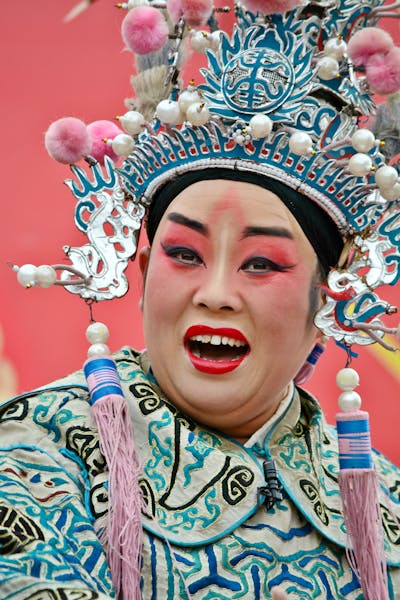
Timothée Chalamet’s Original Comment
Chalamet’s words were measured and genuine. He described opera as an art form that rewards patience, explaining that the more he attended performances, the more he found himself moved by what he was hearing. He referenced a handful of specific operas without being precious about it, coming across as someone who had genuinely discovered something meaningful rather than someone making a point for an audience. This apparent sincerity was, paradoxically, part of what made the clip so shareable.
Key Details
Doja Cat has pushed back at Timothée Chalamet’s viral claim that “nobody cares” about ballet or opera, defending the centuries-old art forms. #DojaCat #TimotheeChalamet #Opera #Ballet #CelebrityDebate #thecelebposthttps://t.co/5Jb1Rq3DM7
— The Celeb Post (@thecelebpost) March 10, 2026
Doja Cat’s Response
Doja Cat saw the clip and responded. Her comment was short, pointed, and written in her characteristic style: sceptical, slightly combative, and very online. She questioned whether Chalamet’s enthusiasm was authentic or whether it was the kind of cultural positioning that celebrities sometimes engage in when they want to seem more intellectual than their public image might suggest. She did not name him directly but the reference was clear enough that virtually nobody missed it, and the tag started circulating almost immediately.
What You Need to Know
The Internet Immediately Took Sides
The response was swift and deeply divided. A significant number of people felt that Doja Cat was being unnecessarily dismissive, pointing out that there was nothing wrong with a young actor exploring classical music. Others thought she had raised a legitimate point about performative taste among celebrities, arguing that her frankness was refreshing compared to the usual PR-polished responses audiences tend to get. Within twenty-four hours, the exchange had generated thousands of posts, with commentators across multiple platforms weighing in on both the culture question and the two celebrities involved.
What Opera Fans Had To Say
The opera community had its own perspective. Several prominent figures in classical music used the moment to push back at what they perceived as a dismissive attitude toward the genre. They argued that opera had long been unfairly associated with exclusivity and elitism, and that any moment which brought new attention to the art form deserved a warmer reception. A number of opera singers posted their own responses, ranging from good-natured engagement to pointed observations about why classical music so often gets treated as a legitimate target for mockery.
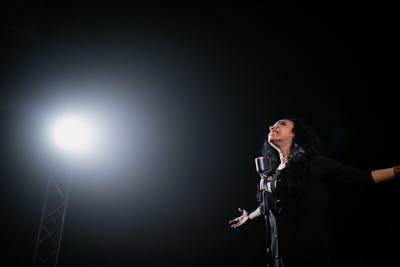
Doja Cat’s History With Unexpected Takes
This was not the first time Doja Cat had waded into territory nobody expected. She has a track record of expressing opinions that cut against the grain of whatever the prevailing cultural consensus happens to be at a given moment. Her fanbase has come to expect unpredictability as part of her public persona, and for many of them, her comment about Chalamet and opera was entirely consistent with the way she approaches public discourse. Whether this makes her refreshingly honest or unnecessarily provocative tends to depend on who you ask.
The Impact
Timothée Chalamet’s Reaction
Chalamet did not respond immediately, which itself became a talking point. Some interpreted his silence as a sign that he was choosing not to dignify the comment with a response, while others suggested it indicated he was unbothered. When he did eventually address it, briefly and in passing, he did so without escalating anything. He expressed that his appreciation for opera was genuine and that he would continue exploring it regardless of what anyone else thought. It was a composed response that generated more goodwill toward him than the original clip had.
Why The Debate Hit A Nerve
The reason this exchange resonated so widely had less to do with opera specifically and more to do with what it represented. Questions about authenticity, about who gets to engage with which cultural forms, and about whether celebrity enthusiasm for highbrow art is genuine or strategic are not new. But they rarely get aired this directly. Doja Cat essentially gave voice to a scepticism that a lot of people carry privately, and even those who disagreed with her acknowledged that she had identified something worth discussing.
Has This Changed How People View Opera?
Probably not in any lasting sense. What these moments tend to produce is a short burst of attention followed by a fairly rapid return to the status quo. Opera companies did report a small uptick in interest from younger audiences in the weeks that followed, and streaming platforms noted an increase in searches for operatic content. Whether that translates into sustained engagement is another question entirely. What the exchange confirmed is that almost any cultural form can become relevant online if the right combination of personalities and opinions collide at the right moment.
Moving Forward
By the time both celebrities had moved on, the debate had already taken on a life of its own. It was discussed in podcasts, columns, and comment sections by people who had never attended an opera and had no immediate plans to do so. That, perhaps, is the strange power of this kind of exchange: it rarely changes anyone’s actual behaviour, but it briefly makes something that might otherwise seem remote feel like it matters.

Written by
Elle Diaz
Elle Diaz is a freelance journalist and fitness model based in the UK. With a background in health, wellness, and popular culture, she covers the stories people are actually talking about — from viral trends and celebrity news to science, lifestyle, and human interest. Elle brings a sharp, relatable voice to every piece she writes.
📷 Follow on Instagram