

It sounds like the premise of an unusual wildlife documentary: a dolphin, apparently taken in by another species, discovered living among a group of sperm whales far from its own kind. The story circulated widely online under the phrase dolphin kidnapping, and the reaction ranged from fascinated to alarmed. But researchers who have spent years studying cetacean behaviour were quick to offer a very different interpretation, and the truth behind the headline is considerably more nuanced than the framing suggested.
How The Story First Appeared
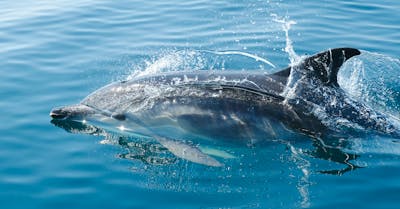
Images and footage of the dolphin had been circulating among marine researchers for some time before a post describing the situation as a kidnapping went viral. The clip showed a bottlenose dolphin swimming confidently among a group of sperm whales, apparently integrated into the pod and displaying none of the distress you might expect from an animal in an unfamiliar social environment. It was the caption that did it: someone described the dolphin as having been taken in against its will, and that framing caught hold almost immediately.
Why Kidnapping Is The Wrong Word
Marine biologists were diplomatic but direct in their response. Kidnapping implies coercion, captivity, and a victim that would leave if it could. None of those conditions appear to apply here. Dolphins are highly intelligent, highly social animals that are entirely capable of leaving a group they do not want to be part of. The bottlenose dolphin in the footage was showing no signs of being held against its will. It was participating fully in the group’s behaviour and, by all appearances, thriving.
Florida law enforcement and independent fact‑checkers confirmed a viral dolphin kidnapping social media story is fiction. https://t.co/rwrrexcH89
— TCPalm (@TCPalm) March 13, 2026
What Researchers Believe Is Really Happening
The scientific consensus is that what has been observed is a rare but not unprecedented instance of adoption. Cetaceans occasionally take in individuals from other species, particularly when the individual has been separated from its own group. A dolphin that loses its pod due to illness, injury, or becoming geographically separated may seek social contact wherever it can find it. Sperm whales and bottlenose dolphins occasionally share the same deep-water environments, and the social intelligence of both species makes some degree of cross-species interaction possible.
This Has Happened Before
Researchers pointed to previous documented cases of cross-species bonding in cetaceans. A well-documented example involved a bottlenose dolphin observed living with a group of sperm whales in the Azores over an extended period. In that case too, the dolphin appeared to be a fully participating member of the group, and the whales did not appear to treat it differently from their own kind. These cases are unusual enough to attract scientific attention but not so rare that they are considered anomalous.
The Emotional Life Of Cetaceans
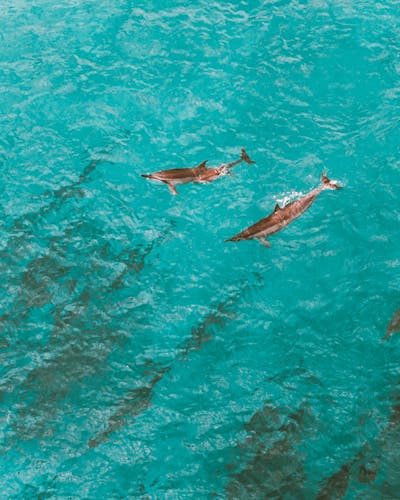
Part of what made the story so compelling was that it invited a projection of human emotions onto the animals involved. Cetaceans genuinely do have complex social and emotional lives: they form bonds, grieve losses, communicate with sophistication, and demonstrate empathy in documented ways. But applying human concepts like kidnapping to their behaviour does not help us understand them better. If anything, it substitutes a dramatic narrative for a more interesting biological reality.
The Dangers Of Viral Wildlife Narratives
The dolphin kidnapping story is a useful example of how wildlife content gets distorted as it travels through social media. A clip that was genuinely interesting on its scientific merits became a viral sensation only after being given a misleading label. Researchers who study marine mammals have noted a broader pattern: footage is captioned in ways that anthropomorphise animal behaviour and prioritise shareability over accuracy, leaving the public with a strong emotional relationship to wildlife but a poor factual understanding of it.
What Happened To The Dolphin
The dolphin has not been retrieved or re-homed. Marine biologists do not intervene in situations of this kind. Unless an animal is in demonstrable distress or physical danger, the scientific and ethical consensus is that human interference with cetacean social arrangements causes more harm than it prevents. The dolphin remains, as far as researchers have been able to determine, with its adopted pod.
What This Tells Us About Both Species
The most valuable thing to take from this story is what it reveals about the cognitive and social capacities of the animals involved. For the dolphin to have successfully integrated into a sperm whale pod, both parties had to possess a degree of social flexibility that is genuinely remarkable. The whales had to accept a very different animal as a companion. The dolphin had to adapt its behaviour to match a group with different diving patterns, communication methods, and social structures.
The viral framing did the story a disservice, but it also gave millions of people a reason to learn something about marine life that they might otherwise never have encountered. That the truth turned out to be more interesting than the headline is, in some ways, its own argument for why accuracy matters when talking about the natural world.

Written by
Elle Diaz
Elle Diaz is a freelance journalist and fitness model based in the UK. With a background in health, wellness, and popular culture, she covers the stories people are actually talking about — from viral trends and celebrity news to science, lifestyle, and human interest. Elle brings a sharp, relatable voice to every piece she writes.
📷 Follow on Instagram