
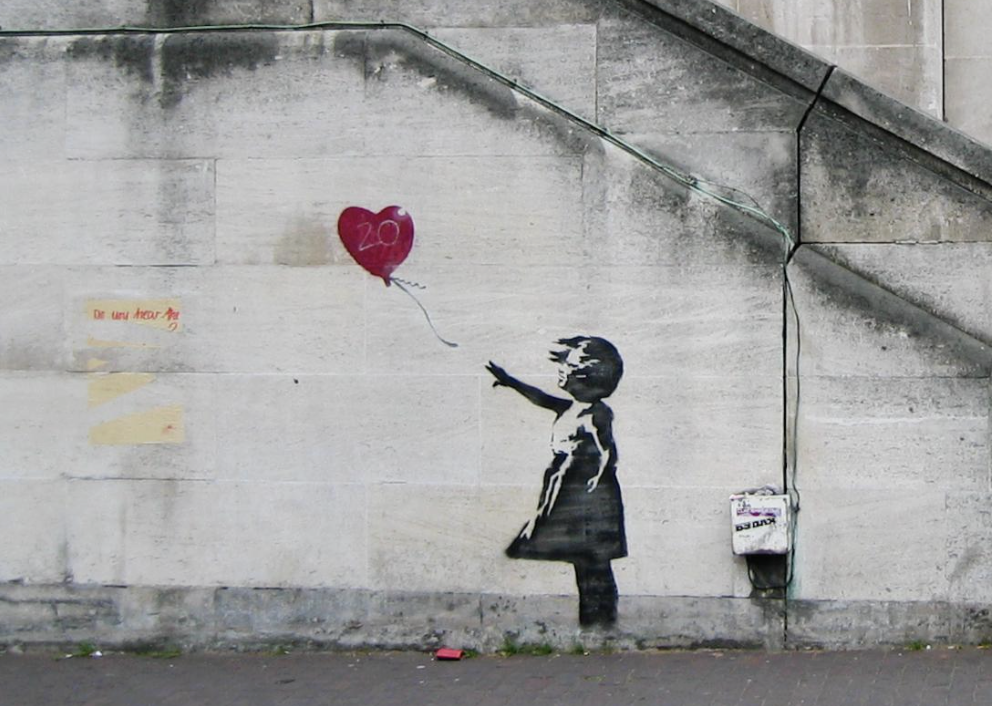
Watch the value of Banksy artwork plummet https://t.co/Wt9AH0RaC4
— Melanie Usher (@mjgal) March 16, 2026
The question of who Banksy really is has circulated in art circles, tabloids, and internet forums for decades. The street artist’s identity has been one of the most persistently speculated-upon mysteries in contemporary culture, surviving numerous attempts at exposure by journalists, documentary makers, and facial recognition researchers. When viral claims emerged suggesting that Banksy had finally been unmasked, the reaction was predictable: widespread sharing, immediate scepticism, and the same conclusion that has followed every previous claim of this kind.
What the Claims Said
The viral posts circulating the latest unmasking claim made a number of assertions, varying in specificity depending on which version reached you. Some named a specific individual. Others referenced leaked documents or photographic evidence that they described as conclusive. The claims spread rapidly because the topic generates reliable engagement — the mystery of Banksy’s identity is one of those stories that the internet is permanently ready to receive and amplify. The speed of sharing was, as it usually is in cases like this, inversely proportional to the quality of verification.
The Evidence Examined
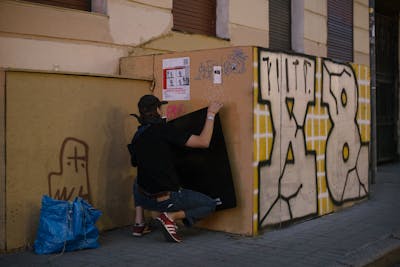
When journalists and researchers examined the evidence cited in the viral claims, the pattern familiar from previous unmasking attempts repeated itself. The photographic evidence was either inconclusive, misattributed, or had been circulating in different contexts for years. The documentary claims rested on sources that could not be independently verified. The logical chain connecting the identified individual to the specific body of Banksy’s work required assumptions that the evidence did not support. This is not unusual: the difficulty of definitively identifying Banksy is precisely what has kept the mystery alive despite thirty years of attempts.
Why the Mystery Has Survived This Long
What You Need To Know
Banksy has been active since the 1990s, and the protection of their identity has been managed with a consistency that suggests serious intent and careful execution. The legal entity managing Banksy’s commercial interests operates through intermediaries. Photographs from site visits where Banksy is working are extremely rare and, when they exist, tend to show a figure in concealing clothing. The small number of people who appear to know the identity have maintained silence across many years, which is itself remarkable given the financial and reputational incentives that disclosure might offer.
Previous Unmasking Claims
The history of Banksy unmasking claims is extensive. Various journalists and researchers have at different times named specific individuals as the person behind the work, and in at least one case — the most widely-cited naming — those claims received significant mainstream coverage. None of them have been definitively confirmed. In some cases the named individuals have denied the identification. In others, the claims have simply not been corroborated by new evidence. The pattern suggests that either the true identity is genuinely unknown to most people who have tried to find it, or that the circle of people who know is smaller and more disciplined than most would expect.
What Banksy’s Anonymity Means for the Work
There is an argument that the anonymity is not incidental to Banksy’s art but structural to it. The work has consistently engaged with questions of power, visibility, and institutional authority, and the maintenance of an identity that the most powerful media organisations in the world have been unable to penetrate is itself a kind of statement. Whether that reading is too neat — the romanticism of the untouchable artist versus the more prosaic reality of someone who simply prefers privacy — is a question the work does not answer and probably should not.
The Legal Implications of Identification
Why This Matters
Beyond the cultural fascination, there are practical reasons why Banksy’s identity matters to some parties. The artist’s work has caused criminal damage under laws in multiple jurisdictions, and an identified individual could face consequences for works created decades ago. There are also commercial implications: the authentication of Banksy works, which already involves a complex verification system operated through an entity called Pest Control, would change character significantly if the creating individual were publicly known. These stakes are part of why the question is asked so persistently and why the answer is guarded so carefully.
How to Identify a Viral Hoax in Real Time
The Banksy unmasking claim is a useful case study in how to approach viral information. The questions worth asking are consistent: What is the primary source? Has it been reported by outlets with editorial standards? Is the evidence reproducible and verifiable? Does the claim resolve in a way that is too convenient or too dramatic? In the case of this particular claim, the answers to these questions pointed in one direction before any debunking had been published. The appetite for the story — the desire for Banksy to finally be named — was itself a reason to be cautious about any claim that appeared to satisfy it.
What Actually Happened
The Bottom Line
The viral claim was false, or at minimum unverified to any meaningful standard. Fact-checking organisations and specialist journalists who cover Banksy examined it and found it wanting. The person named in the most specific versions of the claim had no confirmed connection to the body of work, and the evidence offered was not new. The posts continued to circulate regardless, because the algorithm that governs sharing does not distinguish between verified claims and unverified ones, and the mystery will regenerate itself for the next attempt in due course.
Banksy remains unmasked. The work continues to appear in unexpected places. The question of who is responsible for it remains as open as it has always been, which is exactly as open as the person responsible for it intends it to be. The viral moment will fade. The mystery will not.

Written by
Elle Diaz
Elle Diaz is a freelance journalist and fitness model based in the UK. With a background in health, wellness, and popular culture, she covers the stories people are actually talking about — from viral trends and celebrity news to science, lifestyle, and human interest. Elle brings a sharp, relatable voice to every piece she writes.
📷 Follow on Instagram