
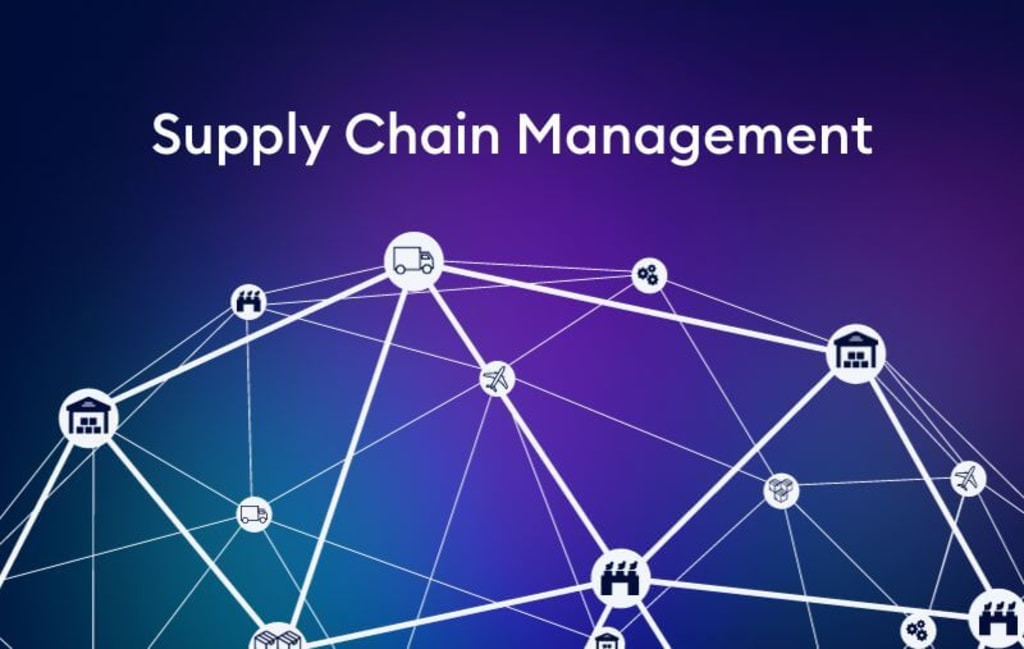
The core of an efficient supply chain lies in managing and optimizing the flow of goods, information, and raw materials from suppliers to customers, thereby reducing costs and increasing value. A well-functioning supply chain ensures timely product delivery, efficient use of resources, and the consistent meeting of customer expectations. The efficiency of a supply chain depends not only on speed but also on accuracy, flexibility, and reliability. Companies with strong supply chains can quickly respond to market demand, reduce waste, and maintain a competitive advantage. The first step in developing effective planning is understanding the operation of each link in the supply chain.
The Role of Demand Planning
Effective demand planning is essential for effective supply chain management. Companies can forecast demand to better meet customer needs and adjust inventory levels accordingly. By analyzing historical sales data, market trends, and annual demand variations, companies can determine the quantity of products to produce or order. Good demand planning prevents inventory buildup, reduces storage costs, and minimizes the risk of stockouts, thereby preventing customer dissatisfaction. Flexible demand planning strategies also help companies manage rapid changes in market demand, ensuring smooth operations even during uncertain times.
Simplifying Supplier Relationships
Suppliers are a vital part of any supply chain, and building strong relationships with them ensures everything runs more smoothly. By working closely with suppliers, companies can negotiate better prices, ensure on-time delivery, and maintain high-quality standards. Regular communication, performance monitoring, and collaborative problem-solving all contribute to building trust and reliability. Companies that invest in supplier relationship management are better able to address issues, secure essential supplies, and improve supply chain stability. A robust supplier network contributes to smooth overall operations.
Leveraging Technology and Automation
Technology is transforming the way supply chains function. With automation tools, inventory management software, and data analytics platforms, companies can track inventory in real time, monitor shipments, and streamline procurement processes. Artificial intelligence and machine learning are two technologies that can identify process inefficiencies, predict demand trends, and optimize route efficiency. Automation reduces human error, saves time, and allows employees to focus on more important tasks. Applying technology throughout the supply chain makes it easier to understand processes, collaborate, and make decisions, resulting in smoother and more efficient operations.
Effective Inventory Management
To ensure an efficient supply chain, effective inventory management is essential. By controlling inventory levels, you ensure that products are always available when needed, without unnecessary inventory costs. Strategies such as Just-In-Time (JIT) inventory management, safety stock optimization, and regular inventory checks help reduce inventory costs and the risk of stockouts. Tracking product flow, identifying slow-moving products, and adjusting order timing are essential components of effective inventory management. Companies can respond quickly to consumer demand and avoid operational delays by maintaining sufficient inventory.
Improving Transportation and Logistics
Transportation and logistics are crucial for improving supply chain efficiency. To be successful, goods must be transported quickly and safely from suppliers to warehouses and ultimately to customers. Strategic route planning, selecting the right carriers, and real-time shipment tracking contribute to shorter delivery times and lower transportation expenses. Implementing centralized and decentralized distribution systems based on demand-driven distribution also helps improve delivery efficiency. Good logistics management contributes to higher customer satisfaction, lower costs, and a smooth supply chain.
Implementing Risk Management Practices
Natural disasters, supplier issues, regulatory changes, or geopolitical instability can all disrupt the supply chain. By applying risk management techniques, companies can prepare for and address these issues, preventing major operational disruptions. This means having multiple sources of supply, maintaining sufficient inventory, and arranging alternative transportation methods. Companies can identify potential weaknesses and take appropriate measures by regularly conducting risk assessments and scenario analyses. By mitigating risks, companies can ensure smooth operations, preserve their reputation, and ensure everything runs smoothly, even if plans deviate from expectations.
Promoting Collaboration Within Teams
For a supply chain to function efficiently, teams must collaborate closely with suppliers, logistics partners, and each other. To ensure smooth operations, departments such as purchasing, production, sales, and customer service must collaborate effectively. By planning together, communicating openly, and sharing performance information, teams can respond quickly to changes, reduce delays, and improve overall efficiency. Collaboration between different departments can generate new ideas, as people from different departments can discover improvements they might not see individually. A smooth supply chain depends on close collaboration between departments.
Continuous Monitoring and Improvement
Maintaining a smooth supply chain is an ongoing process that requires constant attention and improvement. Performance indicators such as order fulfillment rates, delivery times, and inventory turns can help identify areas for improvement. Companies can identify and resolve issues by regularly evaluating processes, analyzing data, and gathering feedback from partners and customers. Continuous improvement, such as implementing new technologies, refining processes, and training employees, ensures that the supply chain consistently meets business needs. A focus on continuous evaluation guarantees smooth, efficient, and cost-effective operations in the long term.
Conclusion
In today’s competitive business environment, smooth and reliable operations depend on a sound supply chain strategy. Companies can build flexible, efficient, and robust supply chains by focusing on demand forecasting, supplier relationships, technology implementation, inventory optimization, logistics, risk management, teamwork, and continuous improvement. These approaches not only streamline operations but also improve customer satisfaction and strengthen the company’s competitiveness. Companies that focus on optimizing their supply chains can better respond to market changes, maintain stable operations, and ultimately achieve their long-term goals.
FAQs
1. Why do companies need an efficient supply chain?
An efficient supply chain reduces costs, ensures timely product delivery, and improves customer satisfaction. Furthermore, an efficient supply chain helps companies quickly adapt their operations to changes in demand or market conditions.
2. In what ways can technology improve the supply chain?
Technology provides real-time insight, automates repetitive processes, optimizes inventory management and transportation, and supports predictive analytics. These capabilities help companies identify problems and make informed decisions.
3. What role do suppliers play in optimizing the supply chain?
Companies need raw materials and goods, and suppliers provide them. Building strong relationships with suppliers ensures on-time delivery and consistent quality and enables the company to address various challenges, contributing to smooth operations.
4. How does risk management improve supply chain performance?
Companies can use risk management to anticipate potential problems and develop contingency plans. This helps mitigate the impact of unforeseen events, ensure operational continuity, and reduce delays.
5. What are the benefits of continuous supply chain improvement?
Continuous improvement allows companies to optimize their operations, adopt new technologies, and better respond to change. This approach ensures smooth operations, reduces waste, and guarantees long-term success.