
Details:
The UK Health Security Agency (UKHSA) and NHS have declared the ongoing outbreak of invasive meningococcal disease (primarily strain B) a national incident due to its rapid spread and “unprecedented” scale.
This follows an explosive rise in cases linked to Canterbury… pic.twitter.com/5TsIoD3ykW
— Popeezy_NG (@Popeikue) March 17, 2026
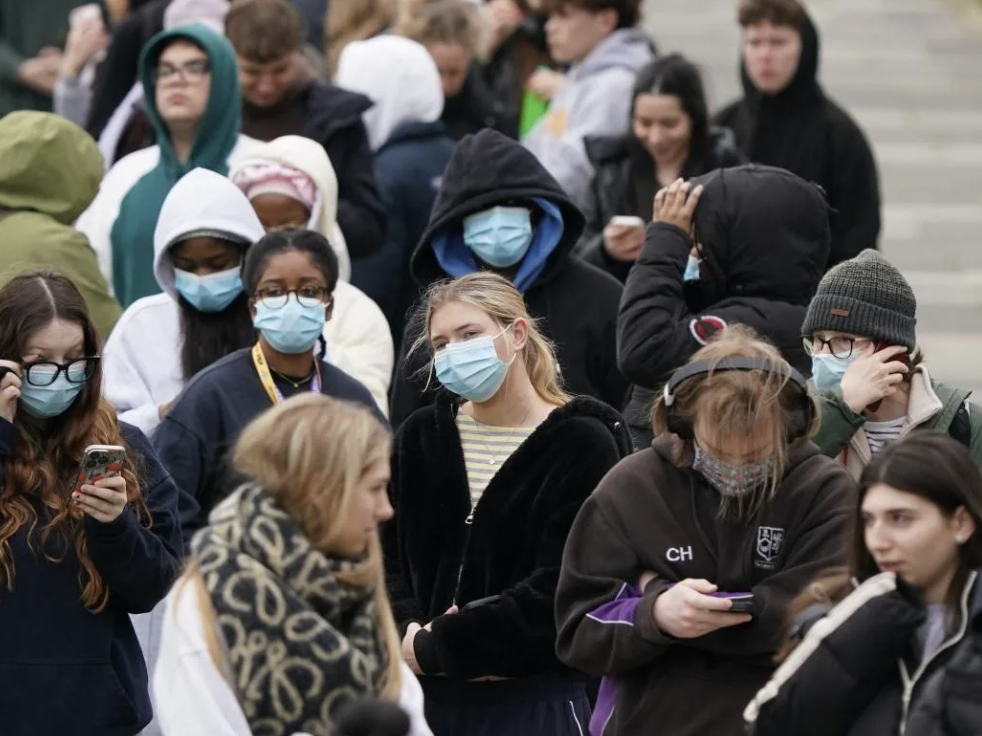
Meningitis outbreaks in university settings are among the more concerning public health events that health authorities have to manage, combining the speed of transmission in communal living environments with the severity of the illness itself. When UK health authorities declared a national incident in response to a meningitis outbreak spreading among students, the response was swift and the public information campaign that followed was substantial. Understanding what this means in practice requires looking at both the biology of the illness and the specifics of the response mounted against it.
What Triggered the National Incident Declaration
A national incident declaration in public health terms does not mean that an emergency is uncontrolled or that members of the public face widespread risk. It means that health authorities have reached a threshold of cases that requires coordinated national-level response, moving oversight from regional to national bodies and triggering specific protocols around surveillance, vaccination, and public communication. In this case, the number of confirmed and suspected meningitis cases among students had reached a level that warranted that coordinated response at the national level.
Why Students Are Particularly Vulnerable
University and college students are recognised as a higher-risk group for certain types of meningitis, particularly bacterial meningitis caused by the meningococcal bacterium. Several factors combine to create this elevated risk. Students typically live in close proximity to large numbers of people in shared accommodation, socialise in crowded settings, and often experience disrupted sleep and increased stress during term time. All of these factors can affect immune function and increase the likelihood of bacterial transmission. Freshers in their first year are considered especially vulnerable because they are being exposed to a new population of carriers for the first time.
The Symptoms to Know
What You Need To Know
Meningitis can progress rapidly, which makes early recognition of symptoms critical. The classic symptoms include a severe headache, stiff neck, sensitivity to light, high fever, nausea, and vomiting. A non-blanching rash — one that does not fade when a glass is pressed against it — is associated with the most serious form, meningococcal septicaemia, and should be treated as a medical emergency. Not all cases of bacterial meningitis produce a rash, however, which means the other symptoms should be taken seriously independently. Time is genuinely critical in seeking treatment.
The Vaccination Situation
The UK has a relatively comprehensive meningitis vaccination programme, with vaccines against several strains of meningococcal disease included in the childhood and teenage immunisation schedule. The MenACWY vaccine is offered to teenagers and to students preparing to go to university who did not receive it previously. During the outbreak response, health authorities advised students to check their vaccination status and to come forward for the vaccine if they had not already received it. Catch-up programmes were made available at universities and through GPs across the country.
How Universities Responded
Institutions affected by or near the outbreak implemented a range of response measures. These included direct communication to students about symptoms and what to do if they became unwell, increased availability of vaccination on campus, liaison with local health authorities, and in some cases the isolation of affected accommodation while deep cleaning was carried out. Student unions also played a role in distributing information, particularly in reaching students who might not regularly check official university communications. The coordination between institutions and public health bodies was described as effective by those involved.

Public Reaction and Parental Concern
The declaration of a national incident generated significant concern among parents of students, many of whom contacted universities and GP surgeries seeking reassurance and information. Social media played a dual role in the crisis: health authorities used it to distribute accurate information, while misinformation about the scale of the outbreak and its causes also circulated. Public health officials made direct efforts to correct false claims and to keep messaging focused on practical steps rather than on the more alarming framings that were appearing in some corners of online discussion.
Previous Outbreaks and What Was Learned
Why This Matters
Meningitis outbreaks in student populations have occurred before, and the response protocols have been refined over time. Previous incidents provided a template for the speed of vaccination rollout, the communication channels most likely to reach students effectively, and the thresholds at which different levels of intervention become appropriate. Health authorities cited lessons from earlier outbreaks in justifying the speed of their response this time, including the decision to declare a national incident at a relatively early stage rather than waiting for numbers to escalate further.
Long-Term Effects for Survivors
One aspect of meningitis that tends to receive less attention in outbreak coverage is the range of long-term effects that some survivors experience. These can include hearing loss, memory problems, limb amputation following septicaemia, and psychological difficulties. Charitable organisations representing survivors and bereaved families have long advocated for faster treatment times and wider vaccination coverage, pointing to the serious life-changing consequences that can result even when initial treatment is successful. Their voices were prominent in media coverage of this outbreak.
What Students Were Advised to Do
The Bottom Line
The practical advice issued to students was clear and consistent. Check vaccination records and come forward for the MenACWY vaccine if not previously received. Know the symptoms. Act immediately if symptoms appear, calling 999 rather than waiting to see if they improve. Do not dismiss symptoms as a hangover or the flu. Tell housemates if unwell so that they can seek advice. Avoid sharing drinks, food, or utensils with anyone showing symptoms. The simplicity and directness of the messaging was a deliberate choice aimed at maximising compliance among a population known for not always prioritising health guidance.
Meningitis outbreaks are alarming events because the illness can escalate from symptoms to life-threatening condition in hours. The UK’s decision to declare a national incident and respond with speed reflected exactly the lesson that previous outbreaks have taught: that early, coordinated action saves lives. Students, parents, and institutions all played a role in containing the outbreak, and the vaccination catch-up programme that followed served both the immediate crisis and the longer-term goal of reducing the population’s vulnerability. The outbreak was serious. The response was serious too.

Written by
Elle Diaz
Elle Diaz is a freelance journalist and fitness model based in the UK. With a background in health, wellness, and popular culture, she covers the stories people are actually talking about — from viral trends and celebrity news to science, lifestyle, and human interest. Elle brings a sharp, relatable voice to every piece she writes.
📷 Follow on Instagram