

The popularity of Botox as a cosmetic treatment has been growing steadily for years, but public understanding of what the treatment actually involves — including the timeline over which results appear and fade — remains surprisingly patchy. A doctor who decided to document the precise sequence of changes that occur after a Botox injection over the course of a week has found that the information resonated with an audience far larger than the specialist circles in which such details would normally circulate. The reaction suggests a genuine appetite for accurate information about a procedure that many people are either considering or have already undergone without fully understanding what they were getting into.
What Botox Actually Is
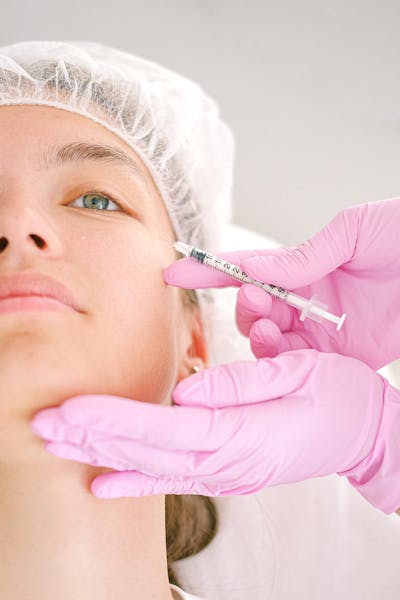
Botox is the commercial name for a purified form of botulinum toxin, a substance produced by the bacterium Clostridium botulinum. In cosmetic applications, extremely small quantities are injected into specific muscles to temporarily reduce their ability to contract, which in turn reduces the appearance of the wrinkles and lines that those contractions produce. The treatment has been in use for cosmetic purposes since the late 1980s, having originally been developed for medical applications including the treatment of eye muscle disorders. It is now one of the most commonly performed cosmetic procedures in the world, with millions of treatments carried out annually in the UK alone.
Days One and Two: Not Much Changes
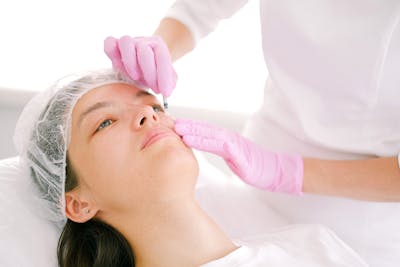
The first thing that surprises many people about the Botox timeline is how little happens immediately after injection. In the first 24 to 48 hours, the treated area may show some minor swelling or redness at the injection sites, and there may be mild bruising depending on the individual and the technique used. The muscle-relaxing effect of the toxin, however, is not yet visible. The toxin needs time to bind to the nerve terminals that control the treated muscles and begin inhibiting the release of the neurotransmitter that triggers muscle contraction. The absence of immediate results is a common source of anxiety for first-time patients who expected an instant transformation.
Key Details
Days Three to Five: The Effect Begins
By the third day, most people begin to notice the first signs that the treatment is taking effect. The muscles in the treated area start to feel different — a mild heaviness or resistance to the usual range of movement. Visible changes to the skin begin to appear as the muscles relax and the lines that were produced by their contraction start to smooth out. By days four and five, the effect is typically more pronounced, with the treated area showing a noticeably smoother appearance than before. This is when most patients begin to feel satisfied that the treatment is delivering what they hoped for, and anxiety about whether it worked starts to resolve.
Days Six and Seven: Full Effect
By the end of the first week, the full effect of the treatment is usually visible. The muscles in the treated area have relaxed to the extent that the lines and wrinkles associated with their movement have been significantly reduced or, in some cases, eliminated. The skin appears smoother and the face typically looks refreshed, with the specific changes depending on which areas were treated and what the individual’s concerns were. The doctor who documented this timeline noted that the completeness of the result at the seven-day mark often surprised patients who had not realised the effect continued to develop over several days rather than appearing immediately after injection.
Why the Timeline Surprised People
The revelation that Botox results develop over a week rather than appearing instantly was, for many who saw the documentation, genuinely new information. Despite the widespread availability of the treatment and the volume of content about it online, accurate and detailed information about the practical experience of having Botox is less accessible than might be expected. Much of the content available emphasises results rather than process, meaning people often go into the treatment with unrealistic expectations about how quickly changes will appear and then experience unnecessary anxiety when the first day or two produces nothing visible. The doctor’s timeline addresses this gap directly.
What You Need to Know
How Long the Results Last
The question of how long Botox results last depends on multiple factors including the individual’s metabolism, the dosage used, the muscles targeted, and how frequently the person has previously had the treatment. As a general guide, most people find that results last between three and six months before the muscles gradually regain their movement and the lines begin to reappear. Regular treatment can extend the period between top-ups, as muscles repeatedly prevented from contracting may weaken over time, requiring less toxin to achieve the same effect. The timing of repeat treatments is something to discuss with the practitioner who performs them.
Safety Considerations and Who Should Have It
Botox is a prescription medicine in the UK, and regulations require it to be administered by a qualified medical professional following a consultation. Despite this, the treatment is widely available through non-medical providers operating in a grey area of the regulatory landscape, generating concerns about safety and the appropriateness of treatment decisions. For those considering the treatment, seeking a qualified medical practitioner for consultation and administration rather than simply the most convenient option significantly reduces the risk of complications and ensures the treatment decision is made with appropriate professional guidance rather than commercial pressure.
The Broader Conversation About Cosmetic Procedures
The viral spread of the Botox timeline reflects a broader moment in which cosmetic procedures are being discussed more openly and honestly than in the past. The combination of social media, an increasing willingness among public figures to acknowledge having treatments, and a consumer base that is more demanding of accurate information has created conditions where the details of cosmetic procedures are far more publicly visible. This transparency has positive and negative dimensions: it normalises conversations about procedures that many people were undergoing in silence, but it also risks making treatments appear more routine and risk-free than they actually are.
The Impact
The doctor who shared the seven-day Botox timeline probably did not anticipate their content would reach millions of people. But the scale of the response reveals something important: there is a significant gap between the prevalence of cosmetic procedures in contemporary culture and the quality of information available to people considering them. Filling that gap, even in small ways, has evident value. Whether you are curious about Botox, have already had it, or have no interest in it whatsoever, the timeline is a useful reminder that understanding what is actually happening to your body is always preferable to acting on assumptions.

Written by
Elle Diaz
Elle Diaz is a freelance journalist and fitness model based in the UK. With a background in health, wellness, and popular culture, she covers the stories people are actually talking about — from viral trends and celebrity news to science, lifestyle, and human interest. Elle brings a sharp, relatable voice to every piece she writes.
📷 Follow on Instagram