
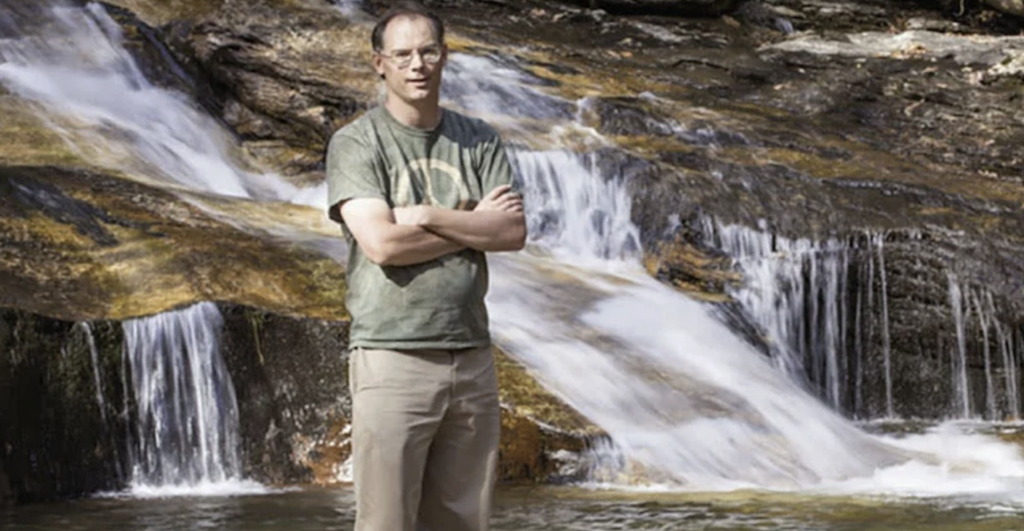
I worked at Epic Games for two years. This is real, and the strategy behind it is smarter than most people realize.
Tim Sweeney has spent nearly two decades buying North Carolina forest land. 50,000+ acres across 15 counties. He’s now one of the largest private landowners in the… https://t.co/6Rq4cgYMRt
— Aakash Gupta (@aakashgupta) March 15, 2026
When most people think of billionaires spending their fortune, they picture superyachts, space rockets, or sprawling mansions. Tim Sweeney, the founder of Epic Games and the mind behind Fortnite, has chosen a rather different path. Over the past decade, Sweeney has quietly been buying up enormous tracts of forest in North Carolina, with his holdings now exceeding 50,000 acres of some of the most ecologically important woodland in the eastern United States. The story behind why he is doing this — and what he plans to do next — is far more interesting than anyone expected.
Who Is the Man Behind Fortnite?
Tim Sweeney is not your typical tech mogul. The 54-year-old founder of Epic Games grew up in Maryland before settling in North Carolina, where his company is headquartered. While Epic’s flagship title Fortnite has generated billions in revenue and made Sweeney one of the wealthiest people on the planet, he has maintained a notably low public profile compared to peers like Elon Musk or Jeff Bezos. His passion project, however, has been anything but quiet. Friends and colleagues describe Sweeney as someone who has loved the outdoors since childhood, and that love has driven him to take one of the most unusual conservation decisions in recent memory.
The Scale of the Land Purchase
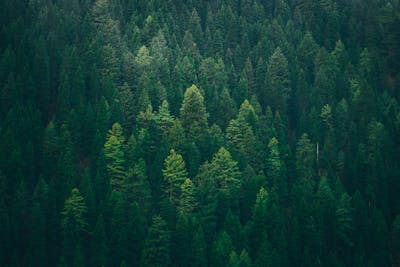
Fifty thousand acres sounds like a large number, but it is difficult to truly comprehend without context. That is roughly equivalent to the entire area of Washington D.C., or about 78 square miles of continuous forest. Sweeney has not acquired this land in one transaction but through a series of targeted purchases over more than ten years, often buying parcels that were in danger of being sold to logging companies or property developers. The land sits primarily in the Blue Ridge Mountains region of western North Carolina, an area renowned for its biodiversity, its ancient tree species, and its importance to the watershed systems that supply water to millions of people downstream.
Why a Tech Billionaire Is Buying Forests
Sweeney has been remarkably candid about his motivations. In interviews he has described a deep frustration at watching wild places disappear during his lifetime, and a belief that the only reliable way to protect land permanently is to own it outright. He is not interested in creating a private hunting estate or a luxury retreat. His stated goal is to keep the land as wild and undisturbed as possible, placing permanent conservation easements on as much of it as he can to ensure it remains protected even after he is gone. In a 2019 statement to local media, he described the work as the most important thing he has ever done with his money.
The Threat Facing These Woodlands
The forests Sweeney has been purchasing were not randomly chosen. Many of the parcels were actively being targeted by timber interests or earmarked for residential development. Western North Carolina has seen enormous pressure from developers in recent years, driven by an influx of retirees and remote workers seeking scenic rural properties. Without intervention, significant portions of the region’s old-growth and secondary forest would almost certainly have been cleared within a generation. Sweeney’s purchases have in many cases come right to the wire, with closings completed just as rival bidders were preparing to move in. The urgency is real and ongoing.
What Sweeney Plans to Do With the Land
His long-term plan is to deed the majority of his holdings to established conservation organisations or land trusts, ensuring that the protections survive his own lifetime. In the meantime, he has opened sections of the land to hiking, partnered with researchers studying Appalachian ecology, and worked with local governments on watershed protection initiatives. Sweeney has also spoken about the importance of creating wildlife corridors — connecting his parcels to adjacent protected areas so that animals can move freely across larger territories. It is a model of private conservation that has drawn admiration from environmentalists and even from some who were initially sceptical of a tech billionaire’s motives.
The Science Supporting Conservation Efforts
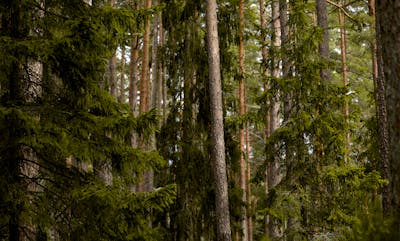
The ecological case for preserving this particular landscape is compelling. The southern Appalachians are considered one of the most biodiverse temperate regions on Earth, home to hundreds of species of trees, wildflowers, salamanders, birds, and insects found nowhere else. Old-growth forest, even when fragmented, provides carbon sequestration benefits that young plantations simply cannot match. A mature hardwood tree can lock away hundreds of kilogrammes of carbon over its lifetime, and a landscape-scale forest like the one Sweeney is assembling can make a measurable difference to regional climate stability. Scientists from nearby universities have praised the purchases as genuinely significant from a conservation standpoint.
Critics and Sceptics Weigh In
Not everyone has greeted the news with enthusiasm. Some critics point out that relying on billionaires to fund conservation is an unstable model — what happens if Sweeney changes his mind, sells the company, or simply decides to redirect his spending? Others have raised concerns about the implications of a private individual controlling such large areas of land, even with good intentions. There are also questions about democratic accountability: decisions that affect entire ecosystems and local communities are being made by one person, with no public input or oversight. These are legitimate concerns, and Sweeney himself has acknowledged them by emphasising his commitment to working with established conservation bodies rather than operating entirely alone.
How This Compares to Other Billionaire Ventures
In the landscape of billionaire philanthropy, Sweeney’s forest project sits in unusual territory. While names like Gates, Buffett, and Bezos have poured their fortunes into global health, climate technology, and space exploration, land conservation of this kind is a rarer choice. It is more reminiscent of historic American conservation figures like John Muir or, more recently, the late Yvon Chouinard of Patagonia, who transferred his company to a climate trust. What distinguishes Sweeney’s approach is the sheer directness of it: rather than funding organisations to lobby governments or develop new technologies, he is simply buying the land and protecting it himself. It is unglamorous work, but conservationists argue it may be among the most effective.
What It Means for the Local Community
Reactions in the communities surrounding Sweeney’s land have been mixed but generally positive. Local hiking clubs and outdoor enthusiasts have welcomed the preservation of trails and green space. Some landowners and local politicians were initially wary of a wealthy outsider buying up large portions of the county, but have warmed to the project after seeing that Sweeney’s plans involve genuine community engagement rather than exclusion. The economic picture is also relevant: intact forest is valuable to tourism, and the region’s reputation as a destination for hikers, birders, and nature lovers depends in part on that wildness being maintained. Sweeney’s land is, in a sense, a public good even though it is privately owned.
Understanding the Situation
Key Takeaways
Tim Sweeney’s forest project is one of those stories that resists easy categorisation. It is not a corporate greenwashing exercise, nor is it the eccentric hobby of someone with too much money and too little purpose. It is a serious, sustained effort to protect something irreplaceable, funded by the profits of a video game played by hundreds of millions of people around the world. Whether or not you think one billionaire should have this kind of power over the natural world, it is hard to argue with the outcome: 50,000 acres of forest that would otherwise be gone, still standing, still breathing, still home to thousands of species that have no idea how close they came to losing everything.
Community Response

Written by
Elle Diaz
Elle Diaz is a freelance journalist and fitness model based in the UK. With a background in health, wellness, and popular culture, she covers the stories people are actually talking about — from viral trends and celebrity news to science, lifestyle, and human interest. Elle brings a sharp, relatable voice to every piece she writes.
📷 Follow on Instagram