
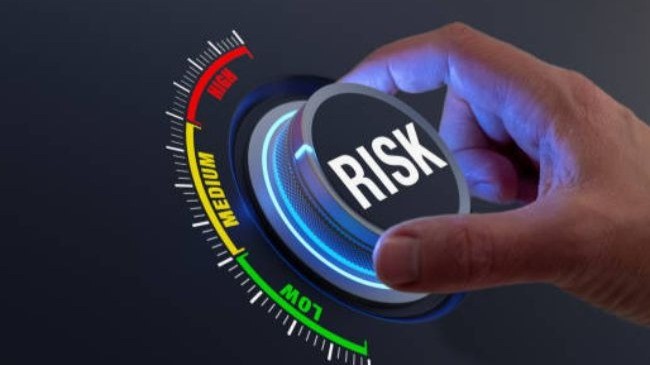
Operational risk management is the process of identifying, assessing, and mitigating risks that arise in an organization’s daily operations. Operational risk differs from financial or market risk because it is closely related to internal processes, systems, people, and external events that can disrupt daily business activities. Properly managing these risks ensures business continuity, protects assets, and preserves the company’s reputation. Companies that take steps to mitigate operational risks can reduce costs, increase productivity, and maintain stability even when plans deviate from expectations. Operational risk management is an ongoing activity that requires constant attention, careful planning, and the ability to adapt to a constantly changing business environment.
Identifying Operational Risks
Identifying potential risks is the first step in sound operational risk management. Many factors can lead to risks, including human error, technical issues, supply chain problems, regulatory changes, and natural disasters. To identify vulnerabilities in operations, companies typically conduct risk assessments, process audits, and scenario analyses. Involving employees at all levels can provide valuable information, as they typically have the best understanding of where vulnerabilities lie. By correctly identifying risks, organizations can prioritize threats and allocate resources where they are needed most.
Exploring and Assessing Risks
Once an organization has identified operational risks, it must determine the likelihood of these risks and their potential serious consequences. Risk assessment is the process of determining the potential impact of a specific risk on a company’s operations, finances, and reputation. Tools such as risk matrices, probability diagrams, and scenario analysis can help measure and categorize risks. By examining risks, organizations can distinguish between high-priority threats that require immediate attention and low-priority risks that can be addressed in the long term. Understanding the magnitude and likelihood of risks allows companies to make informed decisions about how to mitigate them and where to allocate resources.
Developing a Risk Mitigation Plan
To ensure the smooth operation of a business, it is crucial to develop methods to mitigate operational risks. There are many ways to mitigate risks, such as establishing internal controls, improving processes, upgrading technology, or utilizing multiple vendors. Preventive measures aim to reduce the likelihood of a risk occurring, while contingency measures aim to limit the damage when a risk does occur. Businesses can also develop standard operating procedures, train employees, and update contingency plans in a timely manner to address potential problems. Effective risk mitigation measures reduce a business’s vulnerability, strengthen its resilience, and enable it to function smoothly under various circumstances.
Establishing Internal Controls
Internal controls are a key component of managing operational risks. Policies, methods, and procedures designed to prevent errors, fraud, and waste all fall under internal controls. For example, tasks are assigned, approval hierarchies are established, automated monitoring systems are used, and regular audits are conducted. Strong internal controls enable companies to identify problems early, hold relevant personnel accountable, and ensure regulatory compliance. Internal controls also provide a clear framework that helps companies make consistent decisions and ensure operational reliability. Therefore, internal controls are a key tool for effectively managing operational risks.
Monitoring and Reporting Risks
Continuous monitoring is crucial for the effectiveness of risk management strategies. Companies must closely monitor risk indicators, assess the effectiveness of mitigation measures, and adjust plans as needed. Regular reporting provides management with information on emerging risks, issues, and the overall effectiveness of risk management initiatives. Tools such as dashboards, Key Risk Indicators (KRIs), and performance indicators help monitor the situation in real time and make rapid decisions. Continuous monitoring ensures that the company remains alert and ready to take action, reducing the risk of operational disruptions.
Employee Training and Awareness
Training is essential for increasing employee awareness and compliance with operational risk management regulations. Employees must understand potential risks, how to identify them, and how to follow established procedures to mitigate them. Workshops, simulations, and regular briefings can all be incorporated into training programs to help employees strengthen their knowledge and motivate them to take action. When employees are fully informed and actively involved, companies can better prevent errors, identify problems, and effectively manage disasters. Involving employees in risk management strengthens the entire risk management system and fosters a sense of responsibility and vigilance.
Using Technology for Risk Management
Technology is an effective way to identify, monitor, and prevent operational risks. Companies can use risk management software, data analytics, and automated alert systems to monitor critical operational processes, identify problems, and predict escalation. Digital solutions can integrate risk assessments, reporting, and documentation, simplifying complex tasks. Furthermore, technologies such as cybersecurity protect digital assets and prevent intrusions that could disrupt business operations. The use of technology enables more accurate, faster, and more effective management of operational risks across the entire enterprise.
Regular Evaluation and Audit
Regular audits and evaluations are essential to ensure the effective functioning of operational risk management programs. Audits focus on examining the adequacy of internal controls, regulatory compliance, and the effectiveness of risk mitigation measures. Regular reviews help identify emerging risks, monitor trends, and ensure the effectiveness of policies. By regularly evaluating operations, companies can identify shortcomings, resolve issues, and improve processes, thereby mitigating future risks. Audits and reviews increase employee accountability, encourage open communication, and provide management with valuable information to improve operational resilience.
Creating a Risk-Aware Culture
Creating a risk-aware culture is crucial for long-term operational stability. This culture encourages employees at all levels to identify potential problems, proactively raise concerns, and implement best practices. Leadership plays a crucial role in leading by example and encouraging employees to discuss risks. Companies must ensure that risk management is integrated into daily operations and decision-making so that it is part of every business process. Risk awareness helps you be better prepared, reduces the risk of operational failure, and contributes to the long-term development of the company.
Conclusion
Operational risk management is essential for businesses that want to remain stable, efficient, and strong. Businesses can mitigate risks and ensure smooth operations by identifying and assessing risks, developing mitigation methods, establishing internal controls, monitoring performance, training employees, utilizing technology, conducting audits, and fostering a risk-aware culture. Good operational risk management protects assets, reputation, and business continuity, even in uncertain situations. Businesses that prioritize these methods are better able to address problems, adapt to change, and achieve long-term success in competitive markets.
FAQs
1. What is operational risk management?
Operational risk management is the process of identifying, assessing, and mitigating risks arising from a company’s people, systems, processes, and external events.
2. Why is managing operational risk crucial for businesses?
It helps ensure smooth operations, protect assets, maintain customer confidence, and ensure business continuity.
3. What are some common risks in business operations?
Some of the most common risks include human error, technical failures, supply chain issues, lack of regulatory enforcement, and external events such as natural disasters.
4. How does technology help manage operational risk?
Technology provides tools such as monitoring, automation, data analytics, alerts, and cybersecurity, all of which aid in the rapid detection and response to threats.
5. What role do employees play in managing operational risk?
Employees identify risks, comply with rules, report issues, and contribute to creating a culture of accountability and vigilance, which strengthens an organization’s risk management initiatives.