
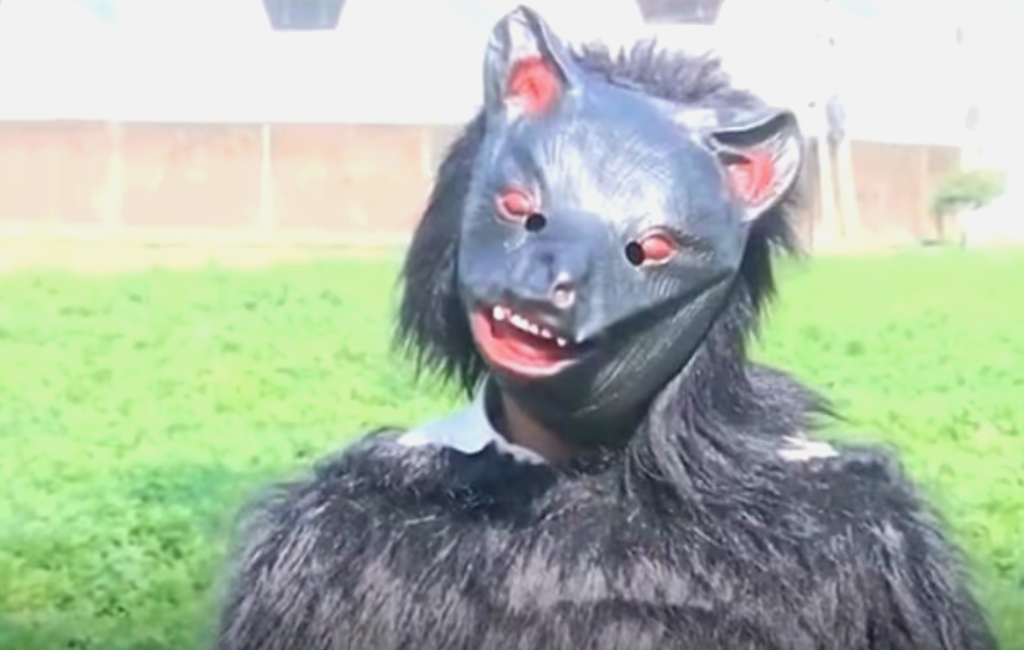
WATCH | Uttar Pradesh: Farmers in Sambhal's Firozpur village dress up as bears to scare away monkeys and protect their crops. pic.twitter.com/L1tJoysX7f
— TIMES NOW (@TimesNow) March 16, 2026
Agriculture has always involved a battle against animals competing for the same resources that farmers are trying to protect. Pest management is one of the oldest challenges in farming, and the solutions have ranged from the practical to the creative. A story about farmers dressing in bear costumes to frighten off the monkeys raiding their crops sat firmly at the creative end of that spectrum, and it spread rapidly online because it combined genuine agricultural desperation with an image that was inherently funny and yet entirely understandable.
The Problem the Farmers Were Facing
In parts of Asia where both farming and primate populations coexist, crop raiding by monkeys is a serious agricultural problem. Macaques, langurs, and other species have adapted to human agricultural landscapes and learned that farms offer reliable food sources. A troop of monkeys descending on a field or orchard can cause substantial damage in a short time, eating crops directly, trampling others, and departing after leaving significant losses. Conventional deterrents such as noise, scarecrows, and guard animals have limited effectiveness against intelligent animals that quickly learn to ignore them.
Why They Chose Bear Costumes
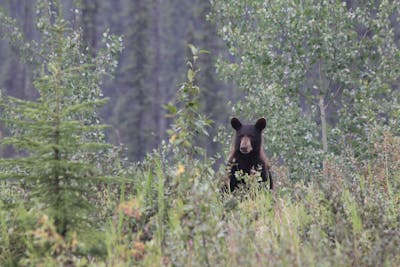
Bears are natural predators that monkeys recognise as a genuine threat. Unlike scarecrows or noise-making devices, a convincing bear representation triggers an instinctive response in primates that does not habituate as quickly as responses to artificial deterrents. The farmers’ insight was to exploit this biological fear response by appearing as the predator the monkeys are programmed to avoid. The costumes used were realistic enough to cause the monkeys genuine alarm, and the combination of visual and movement cues from a person inside a suit proved more effective than static deterrents had been.
Where This Is Happening
What You Need To Know
Reports of this tactic have emerged from farming communities in Japan, India, and other parts of Asia where monkey crop raiding has intensified in recent years. In some Japanese regions, depopulation of rural areas has reduced the human presence that previously kept monkey troops away from settlements and farmland. As villages become smaller and older, wildlife that was once deterred by human activity has grown bolder. The bear costume approach is one response among several, including trained patrol dogs and electric fencing, that farmers have adopted out of necessity rather than choice.
How Effective the Approach Is
Initial reports suggested that the bear costumes were producing noticeably better results than previous deterrents, with troop movements changing significantly when the costumed farmers appeared. However, animal behaviour researchers noted the usual caveat that applies to all deterrents used against intelligent animals: habituation is likely over time. Monkeys are highly adaptable and have demonstrated the ability to learn that specific threats are not genuine. The farmers involved were aware of this and most viewed the costumes as part of a rotation of deterrent methods rather than as a permanent standalone solution.
The Internet’s Reaction
The story spread quickly online because images and videos of farmers in bear suits chasing monkeys across fields were genuinely entertaining. Comments ranged from admiration for the farmers’ ingenuity to jokes about the costume budget and questions about what happens when a real bear appears. Coverage balanced the humour of the situation with genuine respect for the farmers’ predicament, and most people who engaged with the story seemed to come away both amused and sympathetic. That combination reliably drives substantial sharing across social platforms.
The Wider Context of Human-Wildlife Conflict
Human-wildlife conflict is a growing issue globally as agricultural land expands, wildlife habitats contract, and some animal populations adapt successfully to human-modified landscapes. Crop raiding by elephants, bears, wild boar, and primates causes losses that can be devastating for small farmers who have limited financial resilience. Conservation organisations have worked to develop non-lethal deterrent methods that protect both livelihoods and wildlife, with mixed results. The bear costume story is unusual in its specificity and ingenuity, but it sits within a very large body of work on the same fundamental problem.
Other Creative Deterrent Methods
Why This Matters
The bear costume approach joins a long list of creative solutions that farmers have tried against various animal pests. Farmers in some parts of Africa have used beehive fences to deter elephants, exploiting their fear of bees in a way that is both effective and non-harmful to the animals. Fishing communities have used trained dogs, noise devices, and pattern lights to protect catches from seals and sea lions. The common thread is using knowledge of animal behaviour and natural fears rather than lethal methods, an approach that tends to be more sustainable and more publicly acceptable.
What the Farmers Say
The farmers involved in the bear costume strategy were, by available accounts, pragmatic about what they were doing. They were not claiming to have solved the problem permanently or to have found an approach that others should wholesale adopt. They were describing a method that was working better than what they had tried before, bought them time, reduced immediate losses, and had the significant advantage of costing relatively little. The costumes were an improvised solution to an urgent problem, and the farmers themselves seemed more focused on next season’s crops than on any wider significance their approach might hold.
Whether It Could Be Used Elsewhere
The Bottom Line
Researchers and conservationists noted with interest whether the principle behind the bear costume approach could be applied in other contexts. Predator-based deterrence — using the appearance, sound, or scent of natural predators to deter target animals — is a recognised field, and there are examples of it being used effectively in different settings. The specific bear-monkey combination works because of a genuine predator-prey relationship that generates a reliable fear response. Whether equivalent relationships exist for other crop-raiding species in other regions is a question that the coverage of this story prompted several researchers to say they were investigating.
Farmers in bear costumes chasing monkeys across rice fields sounds like the premise of a film. The reality is more straightforward and more serious: people protecting their livelihoods with the materials and ingenuity available to them. The story went viral because it was funny, and it stayed interesting because it was also a genuinely effective solution to a real problem. In a news landscape full of conflict and complication, a story about farmers outsmarting monkeys with a costume shop purchase offered something relatively rare: a piece of human ingenuity that actually seemed to be working.

Written by
Elle Diaz
Elle Diaz is a freelance journalist and fitness model based in the UK. With a background in health, wellness, and popular culture, she covers the stories people are actually talking about — from viral trends and celebrity news to science, lifestyle, and human interest. Elle brings a sharp, relatable voice to every piece she writes.
📷 Follow on Instagram