
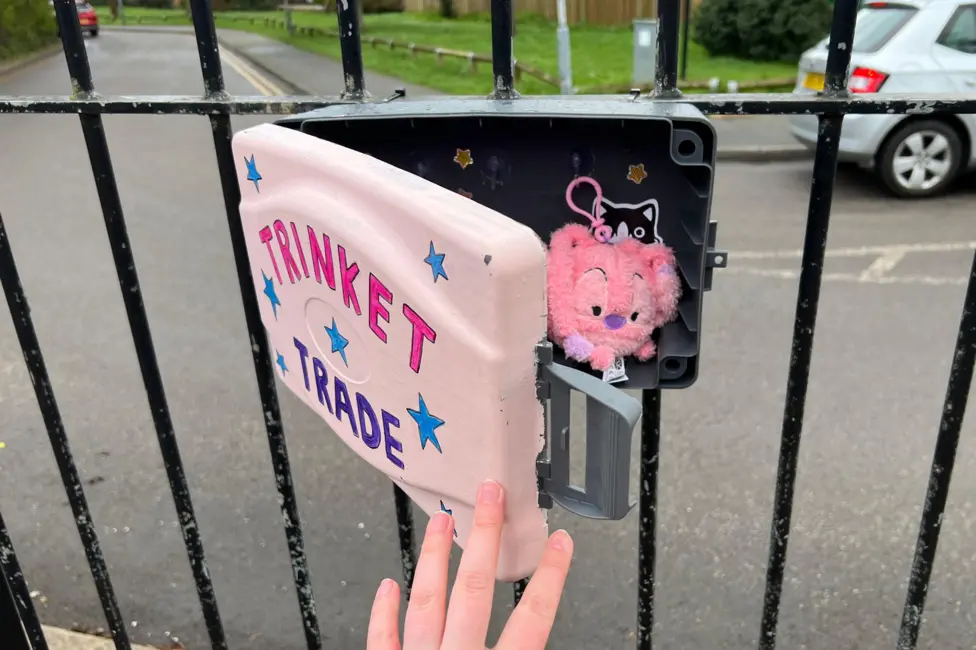
Amid the relentless noise of the internet, a quietly wholesome trend is taking over streets in cities across the world, and it could not be more charming if it tried.
Trinket trade boxes are weatherproof boxes, often painted in cheerful pastel colours, that people install outside their homes or on street corners for anyone passing to take something small and leave something behind. Think keyrings, badges, toys, miniature figures, little collectibles of any kind. No money changes hands. No transaction takes place. You just swap something you have for something someone else left behind.
The trend originated in the United States and has been quietly spreading across the globe ever since. There are now over 1,200 trinket trade boxes mapped on the “Worldwide Sidewalk Joy” tracking project, which lets people log and discover boxes in their area.
How the Trend Started
The Trinket Trade Box phenomenon emerged as a grassroots community initiative driven by a simple, wholesome idea: create free public spaces where people can exchange small items without any monetary transaction involved. What began as isolated boxes in individual neighborhoods quickly grew into a global movement, with communities from urban centers to small towns adopting the concept. The beauty of the trend lies in its simplicity and accessibility—anyone can participate, contribute items they no longer need, and take home treasures that might bring joy to their lives.
The underlying philosophy of the Trinket Trade Boxes centers on sustainability, community connection, and the joy of giving. Rather than discarding items that still have value or meaning, people can pass them along to new homes where they might be appreciated. This approach reduces waste, builds local community bonds, and creates a tangible sense of shared purpose among neighbors who may have never formally met but who participate in this collective act of generosity.
The Most Famous Boxes
Certain Trinket Trade Boxes have become particularly well-known and beloved within their communities, drawing visitors from surrounding neighborhoods and even cities. These boxes stand out for their vibrant decoration, consistent maintenance, and the quality and variety of items circulating through them. Some are painted with colorful murals by local artists, while others are designed to match neighborhood aesthetics or themed around community values, making them visual landmarks in addition to functional exchange points.
The popularity of specific boxes often stems from active community stewardship. Volunteers who monitor these boxes, organize items, ensure cleanliness, and sometimes add handwritten notes or stories about the items help create an atmosphere of care and intentionality. These community guardians elevate what could be simple receptacles into meaningful gathering points that reflect the values and personality of their neighborhoods.
Why It’s Captured the Internet’s Heart
The Trinket Trade Box trend has resonated deeply with online communities because it represents something increasingly rare: a genuinely free, inclusive, and wholesome activity that brings tangible benefit to real people. In an age of commercialization, planned obsolescence, and consumption, these boxes stand as quiet rebels against throwaway culture. The trend demonstrates that people still value connection, sustainability, and the simple pleasure of discovering unexpected treasures, and that meaningful community interaction doesn’t require apps, memberships, or monetary exchange.
Social media has amplified awareness of the movement by showcasing the creative designs of the boxes, the heartwarming stories of items finding new homes, and the visual evidence of thriving community spirit. Posts about trinket boxes go viral because they offer a refreshing counterpoint to algorithmic feeds: they’re genuine, non-commercial, and remind people of the good that can happen when communities come together. For many who feel isolated or disconnected from their neighborhoods, the existence of these boxes represents hope that authentic community is still possible and that strangers can create something beautiful together.

Written by
Elle Diaz
Elle Diaz is a freelance journalist and fitness model based in the UK. With a background in health, wellness, and popular culture, she covers the stories people are actually talking about — from viral trends and celebrity news to science, lifestyle, and human interest. Elle brings a sharp, relatable voice to every piece she writes.
📷 Follow on Instagram