
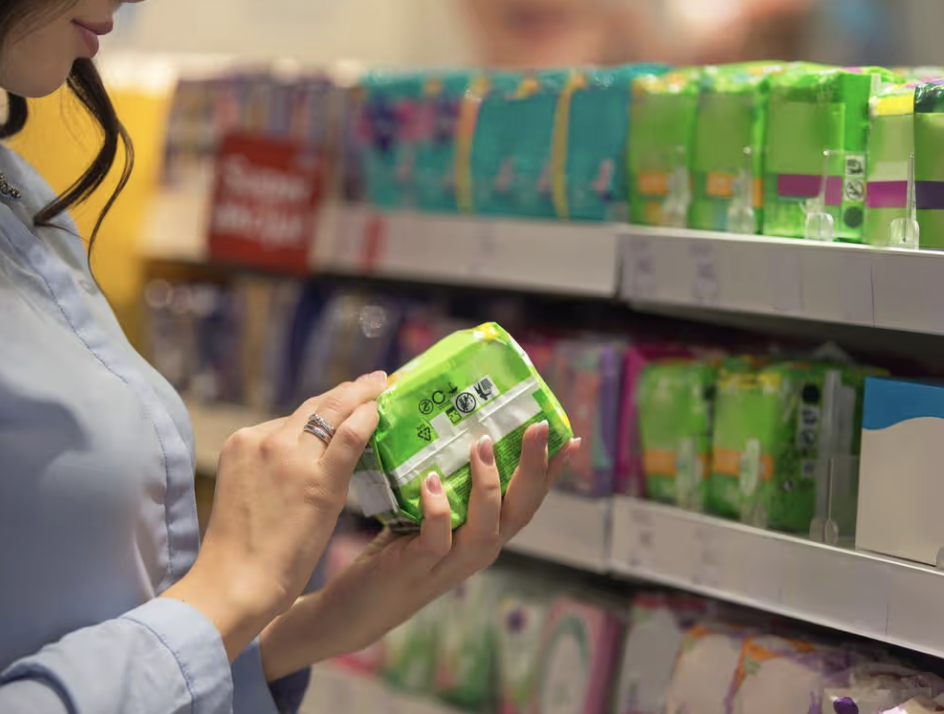
Women Spend Thousands On Periods Over A Lifetime — And Experts Say Government Must Act
It’s something half the population experiences.
But a growing conversation online is shining a light on just how much it actually costs.
According to new reports, menstruation can cost women thousands over their lifetime — and campaigners say it’s time for governments to do more.
Because for many, it’s not just about biology.
It’s about affordability, access and fairness.
The True Cost Of A Period
At first glance, the cost of period products might not seem huge.
A pack of tampons or pads here and there.
But over time, it adds up.
Most people who menstruate will:
• Have periods for around 40–50 years
• Need products every month
• Spend money on additional items like pain relief or hygiene products
When you stretch that across decades, the total cost can reach into the thousands.
And that’s just the basics.
It’s Not Just Products
The real cost of menstruation goes beyond tampons and pads.
There are hidden expenses that often go unnoticed.
These can include:
• Pain medication
• Replacement underwear or clothing
• Heating products or comfort items
• Missed work or reduced productivity
In some cases, people even lose income due to severe symptoms.
And for those with conditions like endometriosis, the costs can be even higher.


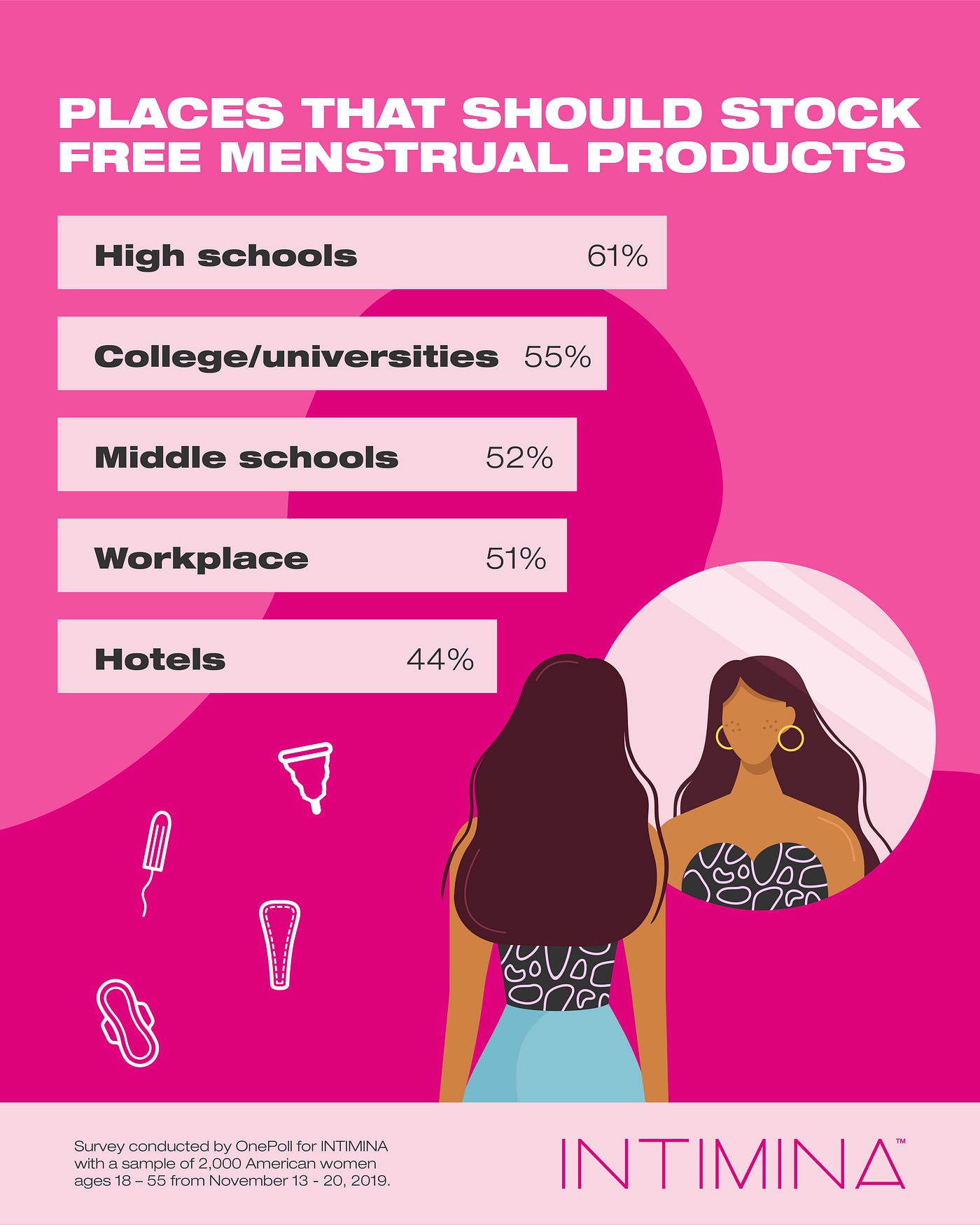
Photo credit: Shutterstock / Getty Images
The Reality Of Period Poverty
For some, the issue isn’t long-term cost.
It’s immediate access.
Studies show that a significant number of women and girls in the UK struggle to afford period products.
Around 1 in 4 have reported difficulty paying for them during the cost-of-living crisis.
As a result, some people have been forced to:
• Use makeshift materials like tissue or cloth
• Wear products for longer than recommended
• Skip school, work or social activities
This has real consequences for health, education and wellbeing.
Why Campaigners Want Government Action
The growing attention on period costs has led to calls for stronger government support.
Campaigners argue that menstruation is a basic, unavoidable biological process.
So access to products should be treated as a necessity — not a luxury.
Some of the key demands include:
• Wider access to free period products
• Better education around menstrual health
• Increased support for those experiencing period poverty
There’s also ongoing discussion around the so-called “pink tax” — where women may pay more for everyday essentials.
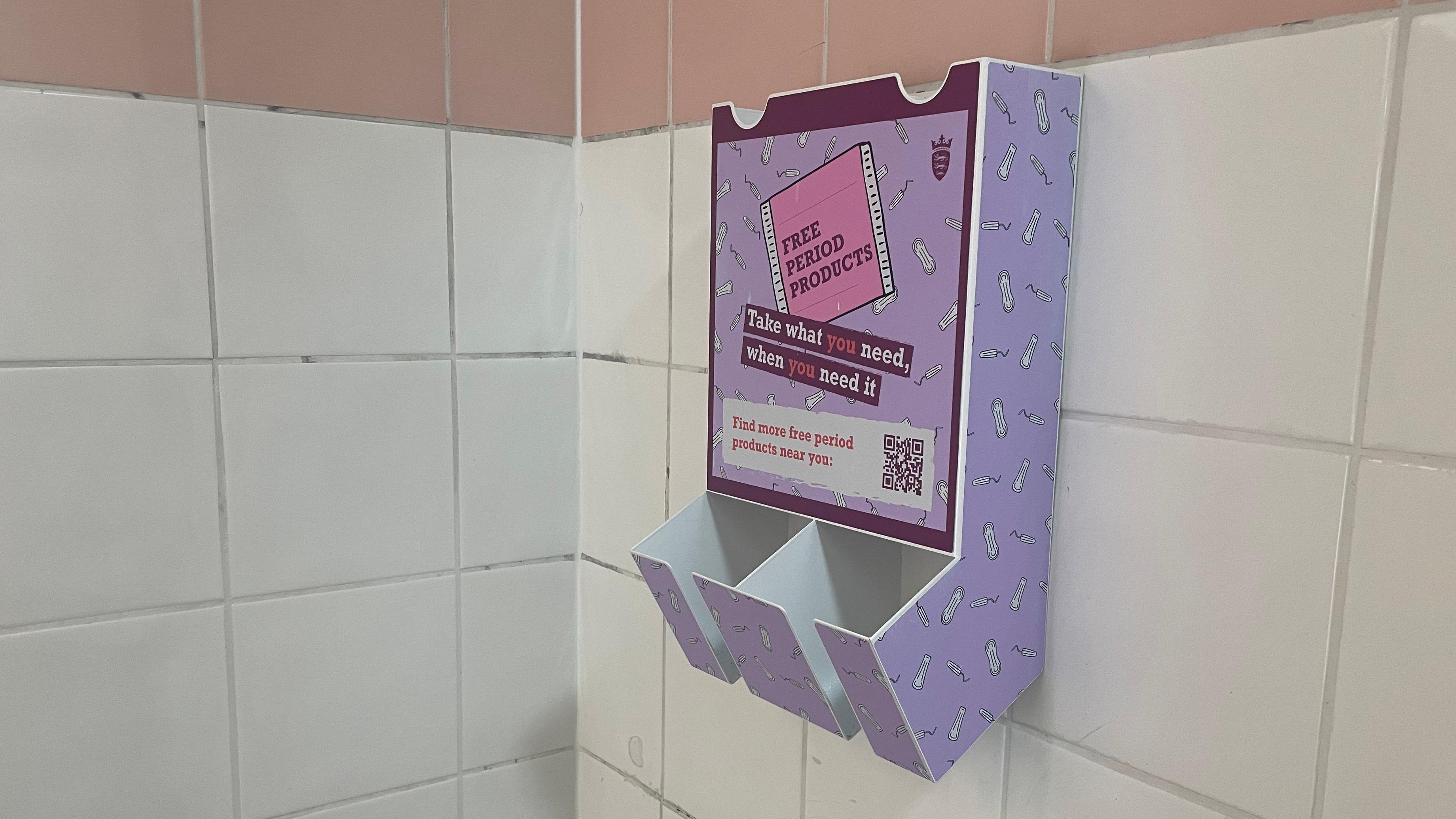

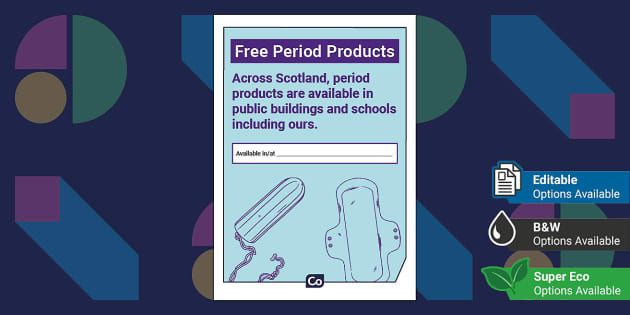
Photo credit: Getty Images / Campaign imagery
What’s Already Being Done
There has been some progress.
In the UK:
• VAT on sanitary products has been reduced to 0%
• Free products are available in schools and some public spaces
And in Scotland, period products have been made free for everyone in public institutions — the first policy of its kind globally.
But campaigners say it’s not enough.
Access can still vary depending on location, awareness and funding.
Why This Conversation Is Growing Now
The topic is gaining traction for a few key reasons.
First, the cost-of-living crisis has made everyday expenses more visible.
Second, social media has helped break down stigma around periods.
And third, there’s a wider push for gender equality in healthcare and policy.
Experts say menstrual health has historically been overlooked — but that’s starting to change.
The Bigger Picture
This isn’t just about products.
It’s about how society values women’s health.
For years, menstrual health has been:
• Underfunded
• Under-researched
• Often dismissed or minimised
Now, there’s increasing pressure to treat it as a serious public health issue.
Because for millions of people, it affects daily life — every month.
Why It Matters For The Future
Addressing period costs isn’t just about saving money.
It’s about:
• Improving health outcomes
• Supporting education and work participation
• Reducing inequality
When people have access to what they need, the impact goes far beyond the individual.
It affects entire communities.
A Conversation That’s Not Going Away
The idea that menstruation costs thousands over a lifetime has struck a nerve online.
For some, it’s a shocking realisation.
For others, it’s something they’ve always known.
Either way, it’s sparking an important conversation.
Because while periods are natural, the financial burden attached to them doesn’t have to be.
Key Points Summary
• Menstruation can cost thousands over a lifetime due to product use and related expenses.
• Costs include not just products, but medication and lifestyle impacts.
• Around 1 in 4 UK women have struggled to afford period products.
• Period poverty can lead to missed school, work and health risks.
• Campaigners are calling for stronger government action and support.
• The UK has introduced some measures, including free products in schools and zero VAT.
• Scotland has made period products free in public institutions.
• The issue is part of a wider conversation about women’s health and equality.