

why do pads cost money?? it's not like women ask for periods 😭😭✌️✌️
— WeirdBlox (@WeirdBlox_) March 9, 2026
Money is not typically part of how periods are discussed in mainstream conversation, but a viral breakdown of the lifetime costs involved changed that. When a researcher compiled the total amount a typical woman might spend on period products, pain relief, clothing replacement, and days of reduced productivity over the course of their menstruating years, the figure that emerged was substantial enough to generate widespread attention. The reaction revealed both genuine surprise at the numbers and a long-simmering frustration about a financial burden that had previously been treated as simply part of life.
What the Calculation Included
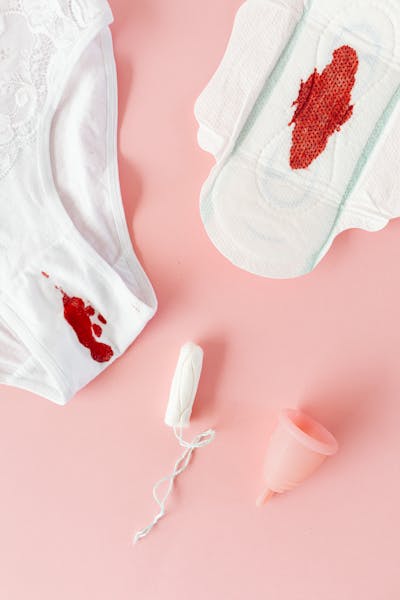
The breakdown covered several categories of spending. Period products including tampons, pads, or reusable alternatives accounted for a significant portion. Over-the-counter pain medication taken to manage cramps was included. The cost of replacing clothing or bedding stained during periods was factored in. Some versions of the calculation also included the financial impact of taking time off work or reducing work hours due to severe pain or other symptoms, and the costs of healthcare consultations for conditions like endometriosis or polycystic ovary syndrome that disproportionately affect menstruating people.

The Total Figure
The figures varied depending on which costs were included and which country the calculation was based on, but most versions of the breakdown arrived at totals in the thousands of pounds across a reproductive lifetime. Some more comprehensive calculations, including healthcare and productivity losses, pushed figures considerably higher. The numbers were not universally agreed upon and methodological differences between calculations were noted, but even the most conservative estimates produced totals that surprised most people who encountered them. The viral momentum came less from the precision of the number and more from the scale it suggested.
Reactions Online
What You Need To Know
Responses to the breakdown divided into several distinct categories. Many women who menstruated said they had never thought of the costs as a cumulative figure and were genuinely surprised by the total. Men who had not previously considered these costs expressed varying degrees of surprise and sympathy. A smaller group questioned the methodology and the inclusion of some cost categories as inflated. And a significant conversation emerged around whether period products should be taxed, subsidised, or provided free, with advocates for period poverty reform using the figures to support their arguments.
The Period Poverty Context
Period poverty refers to the inability to afford adequate period products, and it affects a significant number of people in the UK and globally. Campaigns for free period products in schools and public buildings have gained traction in recent years, with Scotland becoming the first country to make period products freely available to all who need them. The viral cost breakdown gave new fuel to these arguments by demonstrating that even for those who can afford products, the cumulative cost is considerable — and for those who cannot, the consequences are immediate and serious.
The Tampon Tax History
For years in the UK, period products were subject to VAT, classified as luxury items rather than necessities. The tampon tax was removed in January 2021, a change that followed years of campaigning by activists who argued that the classification was both inaccurate and discriminatory. The removal saved money for consumers on each individual purchase, but as the viral breakdown made clear, the cumulative cost of periods extends far beyond product purchases alone. The tax decision was an important step, but advocates have argued it addressed only one part of a larger financial picture.
Conditions That Increase the Cost
Not everyone experiences periods the same way, and conditions that make menstruation more severe significantly increase the associated costs. Endometriosis, which affects roughly one in ten women, causes pain severe enough to prevent normal activity in many cases and often requires specialist medical care that can be expensive and time-consuming to access. Polycystic ovary syndrome, fibroids, and heavy menstrual bleeding all carry their own financial consequences in terms of healthcare, medication, and lost productivity. The average figure in the viral breakdown did not fully account for these variations, meaning the actual costs for many people are considerably higher.
What Workplaces Are Beginning to Offer
Why This Matters
Some employers have begun responding to the financial and practical burden of periods by offering free products in workplace bathrooms, flexible working arrangements for people with severe menstrual conditions, and in a smaller number of cases, menstrual leave policies. These initiatives remain uncommon and are often more visible in certain sectors than others, but they represent a growing recognition that period-related costs and impacts are a workplace issue as well as a personal one. The viral breakdown contributed to conversations about what employers might reasonably be expected to provide.
Global Comparisons
The calculation generated international comparisons as people shared equivalent figures from different countries. In nations with higher product costs, the lifetime totals were even larger. In countries with government schemes providing free products or healthcare coverage for related conditions, the burden was somewhat lower. The variation highlighted how much the financial impact of periods depends on policy decisions rather than being an immutable biological cost, which was an important part of the wider argument that advocates for period equity were making in response to the figures.
What the Conversation Achieved
The Bottom Line
Viral moments around period costs have occurred before without always translating into policy change, so the significance of any single breakdown should not be overstated. What this particular calculation achieved was to bring a specific financial figure into mainstream conversation in a way that made the burden concrete rather than abstract. When people can attach a number to an experience, the conversation tends to shift from sympathy to questions about what structural changes might reduce that number. Whether this moment produces any lasting effect depends on what follows it.
The total cost of periods over a lifetime is not a figure that most people had previously calculated, and the viral breakdown changed that for a large number of people in a short space of time. The surprise it generated is perhaps the most telling part of the story: a significant financial burden affecting half the population had simply not been quantified in a way that was widely shared. Now that it has been, the question of what that means for product access, workplace policy, and healthcare provision is one that will not easily go back to being a background conversation.

Written by
Elle Diaz
Elle Diaz is a freelance journalist and fitness model based in the UK. With a background in health, wellness, and popular culture, she covers the stories people are actually talking about — from viral trends and celebrity news to science, lifestyle, and human interest. Elle brings a sharp, relatable voice to every piece she writes.
📷 Follow on Instagram