
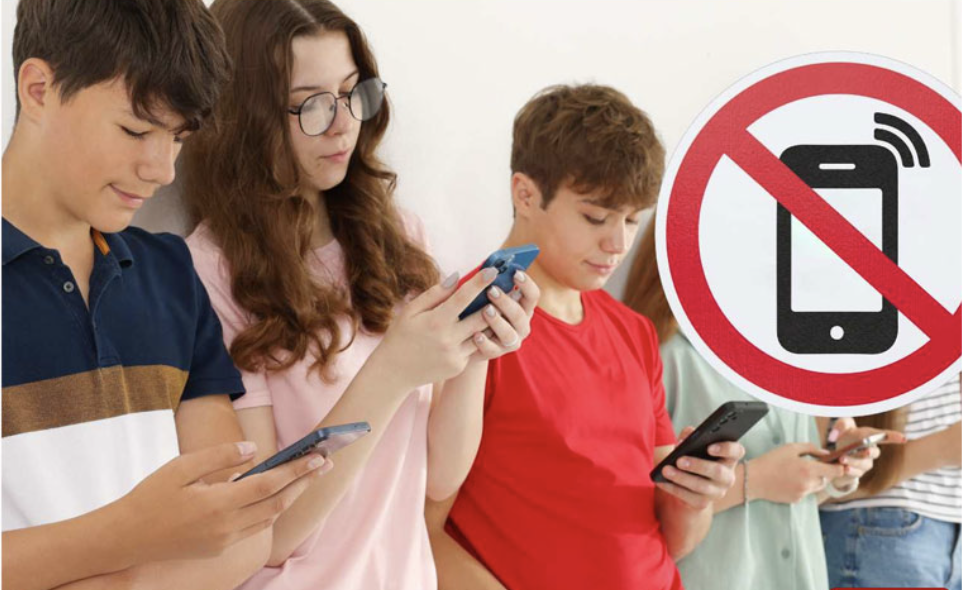
Consultation on social media ban for under-16s to begin https://t.co/1kfbR39NEl
— BBC News (UK) (@BBCNews) March 2, 2026
Something is shifting in the UK. For years, parents, teachers, and politicians have argued about what social media is doing to teenagers — while the phones kept buzzing and the scrolling never stopped. Now, the government has finally moved from debate into action.
Key Details
Three hundred teenagers aged 13 to 17 across all four nations of the UK are officially enrolled in a landmark six-week government trial. Some will have social media completely removed from their devices. Others will face a one-hour daily cap on platforms like TikTok, Instagram, and Snapchat. Others will experience overnight curfews — no social media at all between 9pm and 7am. A control group will carry on as normal. Every step of the way, researchers will track what happens to their sleep, their schoolwork, their mood, and their family life.
This is not a proposal. This is not a consultation. It is happening right now — and what it finds could change the rules for millions of UK teenagers.
What the Trial Actually Involves
What You Need to Know
The pilot scheme is run by the Department for Science, Innovation and Technology and deliberately tests four different approaches at once. The first group will have social media removed entirely from their devices, with parents guided through how to use parental controls to disable selected apps. The second group will have their social media capped at one hour per day across platforms including TikTok, Snapchat, and Instagram. The third group will face an overnight curfew — all social media blocked between 9pm and 7am, giving teenagers time on their devices before and after school but cutting off the late-night scrolling that wrecks sleep. The fourth group continues with their normal habits as a comparison baseline.
Researchers will monitor how each approach affects participants’ academic performance, sleep quality, mood, and family relationships. The findings feed directly into government policy. Technology Secretary Liz Kendall has described the trial as a chance to gather real evidence from real families before making decisions that could affect millions. For parents who have watched their teenager’s wellbeing decline alongside their screen time — and felt powerless to stop it — this moment has been a long time coming.
The Impact
Why the UK Is Moving Now
The trial launches alongside a major national consultation that opened on 2 March 2026. The government is asking parents, teenagers, academics, charities, and tech companies for their views on children’s digital wellbeing — covering social media, AI chatbots, and gaming platforms. The consultation closes on 26 May 2026 and has already attracted nearly 30,000 responses. Ministers have been granted new legislative powers to act quickly on whatever the evidence shows.
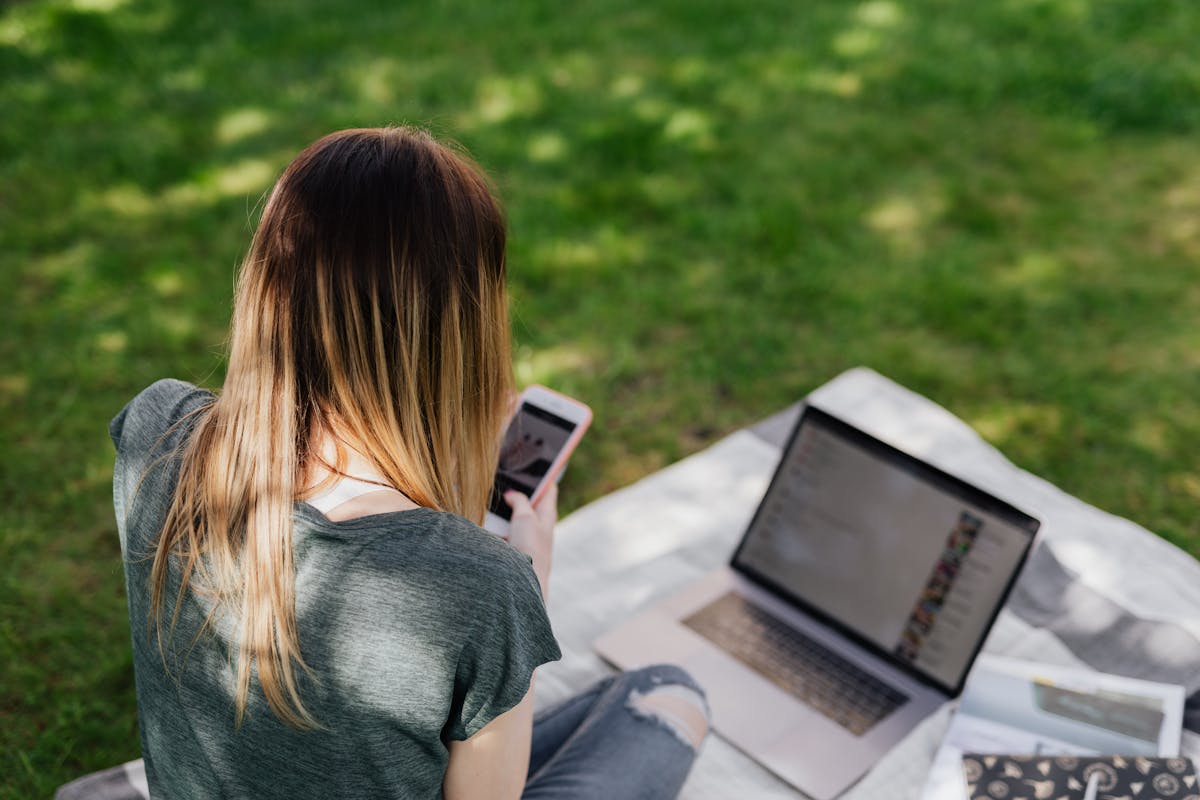
The timing reflects years of mounting pressure. Research has consistently linked heavy social media use in teenagers with disrupted sleep, rising anxiety, and lower self-esteem — particularly among girls. Many parents describe feeling powerless against platforms engineered to keep young people scrolling. More than 60 Labour MPs wrote to Prime Minister Keir Starmer demanding tighter restrictions. The House of Lords voted in favour of a full ban for under-16s. The Conservatives backed a ban outright, with Kemi Badenoch accusing Labour of lacking the backbone to act immediately.
Moving Forward
The Bradford Study: A Bigger Experiment Running in Parallel
Running alongside the government pilot is a separate, larger academic study based in Bradford. Led by Professor Amy Orben of Cambridge University and funded by the Wellcome Trust, it involves around 4,000 students aged 12 to 15 from 10 local secondary schools. A specially built app will cap daily social media use and block all access overnight. Half the students will have these restrictions applied; the other half continue as normal, forming a direct comparison group. Researchers aim to complete initial analysis by mid-summer 2027.
The scale matters. Unlike earlier studies that relied on self-reported screen time or controlled lab conditions, the Bradford trial will capture what actually happens to real teenagers in real life when social media access is genuinely limited. The findings will carry weight far beyond the UK — governments across Europe, North America, and Asia are watching closely.
What Happened in Australia — And What the UK Is Learning
The UK sent ministers to Australia specifically to study what happened when that country became the first in the world to ban social media for under-16s. Australia’s law, introduced in December 2025, requires platforms including TikTok, Instagram, Snapchat, YouTube, Facebook, and X to verify users’ ages or face fines of up to 49.5 million Australian dollars. The early results have been genuinely mixed. Meta reported blocking more than 500,000 under-16 accounts in the opening weeks. But large numbers of teenagers found ways around the ban — downloading lesser-known apps, using VPNs, or moving to platforms outside its scope.
Some teenagers said they felt genuine relief to be away from social media. Others said they felt cut off from friendships and communities that existed almost entirely online. France, Spain, Indonesia, Malaysia, and Denmark are all now considering similar legislation. The rest of the world is waiting to see whether any national approach can be made to work — and Britain’s decision to trial before legislating is being watched as a possible model.
The Case Against a Ban
Not everyone is convinced restrictions are the right answer. The NSPCC has welcomed the consultation but warns against what it calls simplistic solutions. The core concern is that a blanket ban could push teenagers towards less regulated, harder-to-monitor corners of the internet — encrypted platforms and niche apps with no safety infrastructure at all. Some researchers warn that LGBTQ+ teenagers, young people in rural areas, and those with limited in-person social networks depend on online communities for belonging and support that a ban could strip away overnight.
The Labour Digital Rights Network has gone further, warning that granting government sweeping powers over internet access poses real risks to freedom of expression. Michael O’Flaherty, the human rights commissioner for the Council of Europe, has argued that outright bans are neither proportionate nor necessary. The debate in the UK is fierce — and unlikely to be settled until the trial data arrives.
What the Science Actually Says
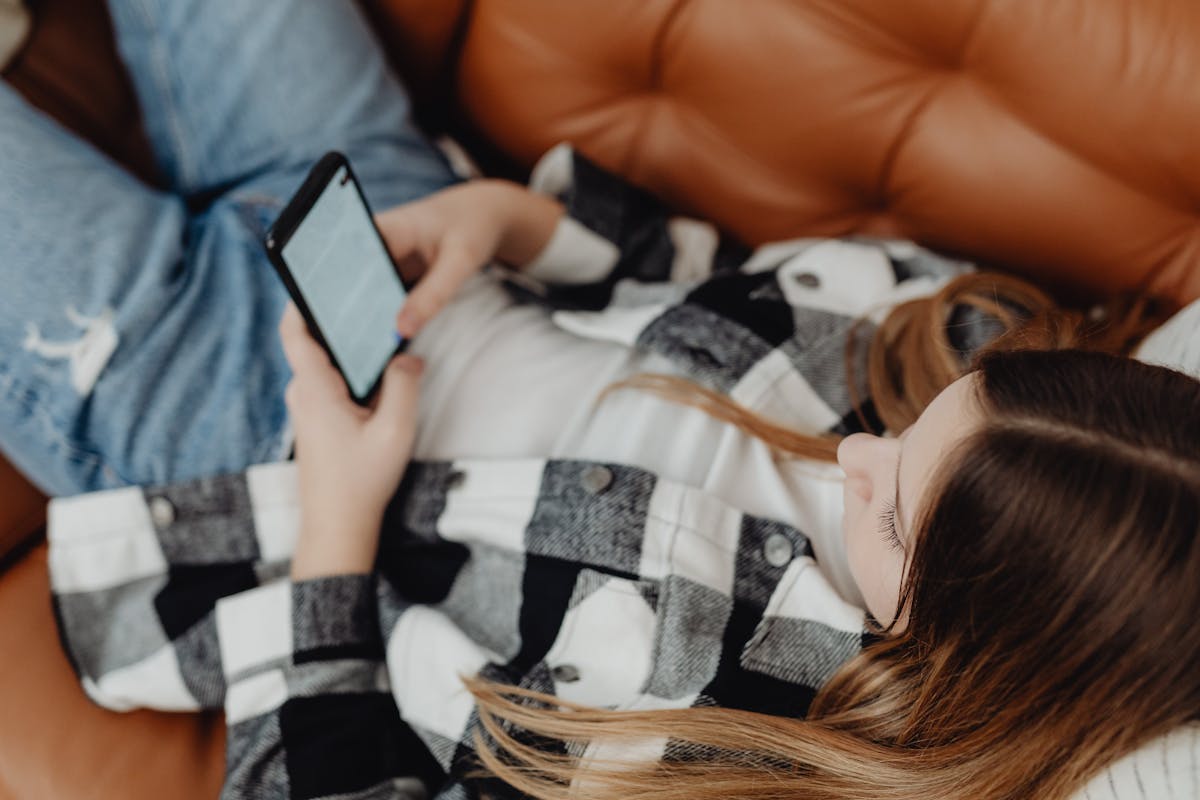
The research linking social media to teenage mental health problems is real — but more contested than political debate usually acknowledges. A significant body of evidence connects heavy use, particularly of image-focused platforms like Instagram, with disrupted sleep, higher anxiety, and lower self-esteem, with girls most affected. Jonathan Haidt’s widely read research argues that the smartphone has fundamentally reshaped adolescence for the worse, with consistent associations found between heavy social media use and higher rates of depression in teenage girls.
But other researchers argue the effects are smaller and more nuanced than the headlines suggest. Some point to methodological weaknesses in earlier studies where screen time was imprecisely measured or self-reported. More recent rigorous analyses find that how teenagers use platforms — and what they are seeking from them — matters as much as the time they spend on them. What is clear is that the government wants definitive evidence: not correlation, not surveys, but properly controlled trials.
How Britain Compares to the Rest of the World
Britain is far from alone in grappling with this. France introduced legislation in 2024 requiring parental consent for under-15s to create social media accounts. Florida passed a law the same year banning under-14s from social media, though it faces ongoing legal challenges. Norway is discussing raising the age of digital consent to 15. Several more European countries are actively debating similar measures, and the pace is accelerating.
Every country faces the same fundamental challenge: platforms are global, teenagers are adaptable, and national restrictions are only as effective as their enforcement. Age verification technology exists but introduces serious privacy concerns. Parental controls help but place heavy responsibility on adults who are often less digitally fluent than their own children. The UK’s approach of running proper trials before legislating is being watched internationally as a potential model.
What Parents Can Do Right Now
While the government gathers its evidence, parents are not without options. Apple’s Screen Time, Google Family Link, and built-in controls on both Android and iOS all allow adults to set daily time limits on specific apps, schedule overnight downtime, and restrict certain content. Most major social platforms also have parental supervision settings, though these vary in reliability. Many parents are discovering they have more tools than they realised.
The national consultation is still open to everyone until 26 May 2026 at gov.uk. The government has committed to incorporating public responses into its evidence base. Whatever comes next — a ban, curfews, tighter platform rules, or something else — the decision will be shaped by more real-world evidence than any government has had before.
What Happens Next — And Why It Matters
The six-week pilot is underway. The Bradford study launches this spring. The consultation closes 26 May 2026, with a government response promised before summer ends. The options range from a full under-16 ban following Australia, to overnight curfews, daily time limits, stronger age verification, or new algorithmic design rules for platforms. Parliament remains divided, and the public is watching closely.
What is no longer in doubt is that the UK is closer to a significant decision on this than at any point in the past decade. The data will land in the middle of one of the most important debates in British public life — and the answer will matter for millions of families. Three hundred teenagers are living the experiment in real time. The rest of the country will be watching when the results come in.
The UK government’s social media trial is one of the most significant experiments in digital policy this country has undertaken. Whether the findings confirm that restrictions genuinely help teenagers, or reveal the complications that critics predict, they will be among the most closely watched results in the ongoing global debate about children and screens. For millions of parents who have spent years watching helplessly as their children’s wellbeing suffered under the pull of the algorithm, the stakes could not be higher. The answer is coming — and it matters.

Written by
Elle Diaz
Elle Diaz is a freelance journalist and fitness model based in the UK. With a background in health, wellness, and popular culture, she covers the stories people are actually talking about — from viral trends and celebrity news to science, lifestyle, and human interest. Elle brings a sharp, relatable voice to every piece she writes.
📷 Follow on Instagram